Skip to content
Psi & Hose

Hub

CFM and sizing

This is the part of the category almost nobody explains for a home garage. Get the sizing right and the compressor decision makes itself.

By Ryder M.Last updated
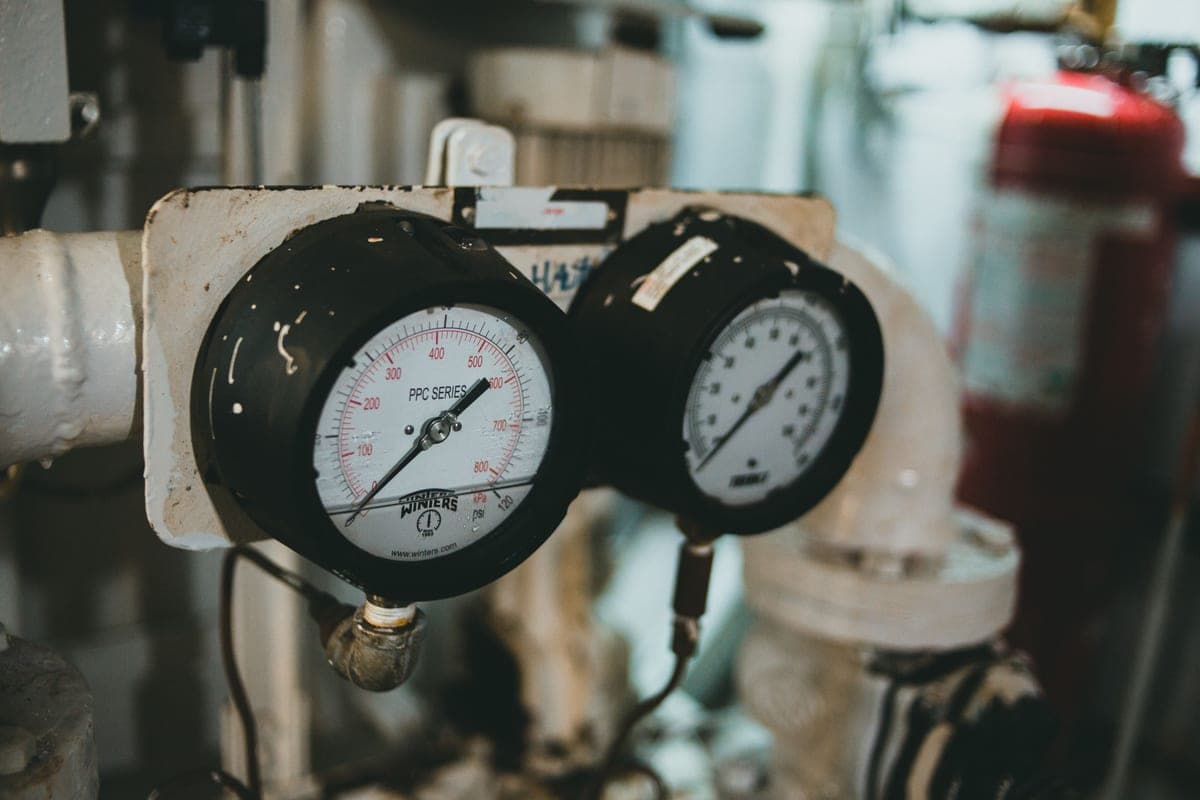
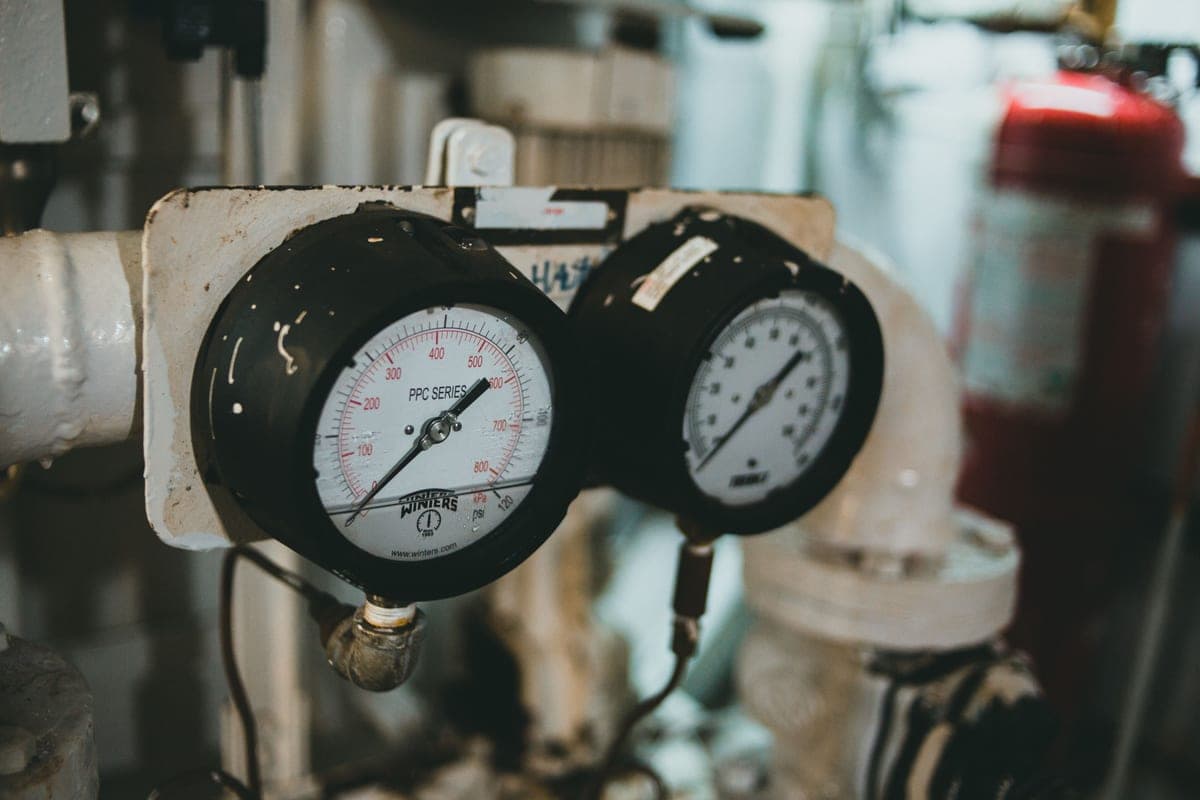
A compressed air pressure gauge reading in PSI

Some links on this page are affiliate links. If you buy through one, Magoo Media Group earns a commission from the retailer at no extra cost to you. It never changes which product we rank first - how this site is funded.

Everything in this hub

7 pages

The gap we are filling

Why this section exists

When we researched this category, we found the sizing math split between two audiences and served well to neither. Industrial retailers write it for commercial buyers with shift-long duty cycles and 60-gallon budgets. Consumer buying guides reduce it to one rule-of-thumb sentence and then recommend a compressor without checking their own picks against it.

The specific gap: the budget-roundup pages that dominate these search results routinely pair a 2.6 CFM compressor with a 1/2-inch impact wrench and say nothing about the fact that the tool's at-load draw is 22 CFM. It is not a lie - the pancake does break lug nuts - but the buyer has not been told what they are buying.

So this section does the arithmetic in public. Published demand figures with their sources attached, the duty cycle beside every one, a margin formula written out in full, and a calculator that shows its working rather than producing a number from nowhere.

Start here

The three numbers you need

CFM at 90 PSI. Volumetric flow - how much air the compressor delivers per minute at the pressure tools are rated at. This decides which tools run. Always read it at 90 PSI, because a figure quoted at 40 PSI is a larger number describing a less useful condition.

Duty cycle. The proportion of the time the pump is designed to run. Of the sixteen compressors we catalog, three publish anything on this - a 70/30 figure, a 30 to 60 minute continuous limit, and a 25-minute-at-30-PSI rating on a 12V unit. The other thirteen are silent, which means you do not know the limit.

Stored air, as tank gallons times maximum PSI. This decides how long you can draw more air than the pump makes. It is the number that explains why a 6-gallon tank at 200 PSI holds more usable air than an 8-gallon tank at 120, and why comparing tanks by volume alone misleads.

The classification that matters most

Burst, intermittent, continuous

Every air tool falls into one of three duty classes, and the class matters more than the CFM figure. Burst tools draw air for a second or two - impacts, nailers, staplers. Intermittent tools draw for several seconds with gaps - ratchets, air hammers, grease guns. Continuous tools draw for as long as the trigger is down - die grinders, sanders, cut-off tools, spray guns.

For burst tools, tank storage does most of the work and a modest pump is genuinely adequate. For intermittent tools the pump has to be in roughly the right range or the tank drains faster than it refills. For continuous tools the tank is irrelevant after thirty seconds and the pump's output is everything.

This produces one counterintuitive result worth knowing: a 3/8-inch air ratchet at 3 to 4 CFM published is harder on a small compressor than a 1/2-inch impact wrench at 4 to 5 CFM, because you hold a ratchet trigger for ten or twenty seconds rather than one. Size your compressor for the ratchet and the impact takes care of itself.

The formula

Our margin, and why 25%

We size against the highest published demand for the tool class, multiplied by 1.25. The margin covers three real losses that published specs exclude: pressure drop through hose and fittings, a pump delivering less than rated once it is hot, and the slightly thirstier tool you will buy next.

We use 25% rather than the 50% or 100% some industrial guides recommend, and the reason is honest rather than generous. Those larger margins assume continuous shift work with several tools running simultaneously. A one-person home garage uses one tool at a time in bursts, so the tank covers the peaks. Over-margining is exactly the overbuying this site exists to stop.

Every can-run verdict elsewhere on this site is computed from this same dataset with this same margin, so the pages cannot contradict each other. If our CFM chart says a die grinder needs 6 CFM, every compressor page applies 7.5 CFM as the bar - automatically, not by hand.

FAQ

CFM & Sizing: common questions

How many CFM do I need?

Take the highest published CFM at 90 PSI among your tools and multiply by 1.25. Nailers and inflation land near 2.5 to 3 CFM. A 1/2-inch impact reaches about 6.25. A ratchet or die grinder pushes 5 to 7.5. An orbital sander needs 12.5, which is beyond any 120V compressor.

What is the difference between CFM and SCFM?

CFM is raw volumetric flow; SCFM corrects it to a standard reference temperature, pressure and humidity so different manufacturers' figures are comparable. For choosing a home compressor, treat them as interchangeable at the same stated pressure.

Does tank size affect CFM?

No. The pump sets CFM and the tank stores what it makes. A bigger tank lets you draw more than the pump produces for longer, which helps burst tools and does nothing for continuous ones.

What does duty cycle mean on an air compressor?

The proportion of time the pump can run before it needs to rest, written as two numbers like 70/30. Only three of the sixteen compressors we catalog publish one, so for most machines you do not know the limit and should be conservative.

Why does my tool need more CFM than my compressor makes?

Tool ratings are duty-cycle averages, not running flow. Engineering ToolBox states its figures assume a 25% load factor and that full performance needs four times the volume. The tank covers the peak; the pump covers the average.