Skip to content
Psi & Hose

Hoses & Air Prep

Best air hoses for nail guns

This is the one job where a 1/4-inch hose is the right answer rather than a compromise - because what you notice on a nailer is weight, not flow.

By Ryder M.Last updated Published
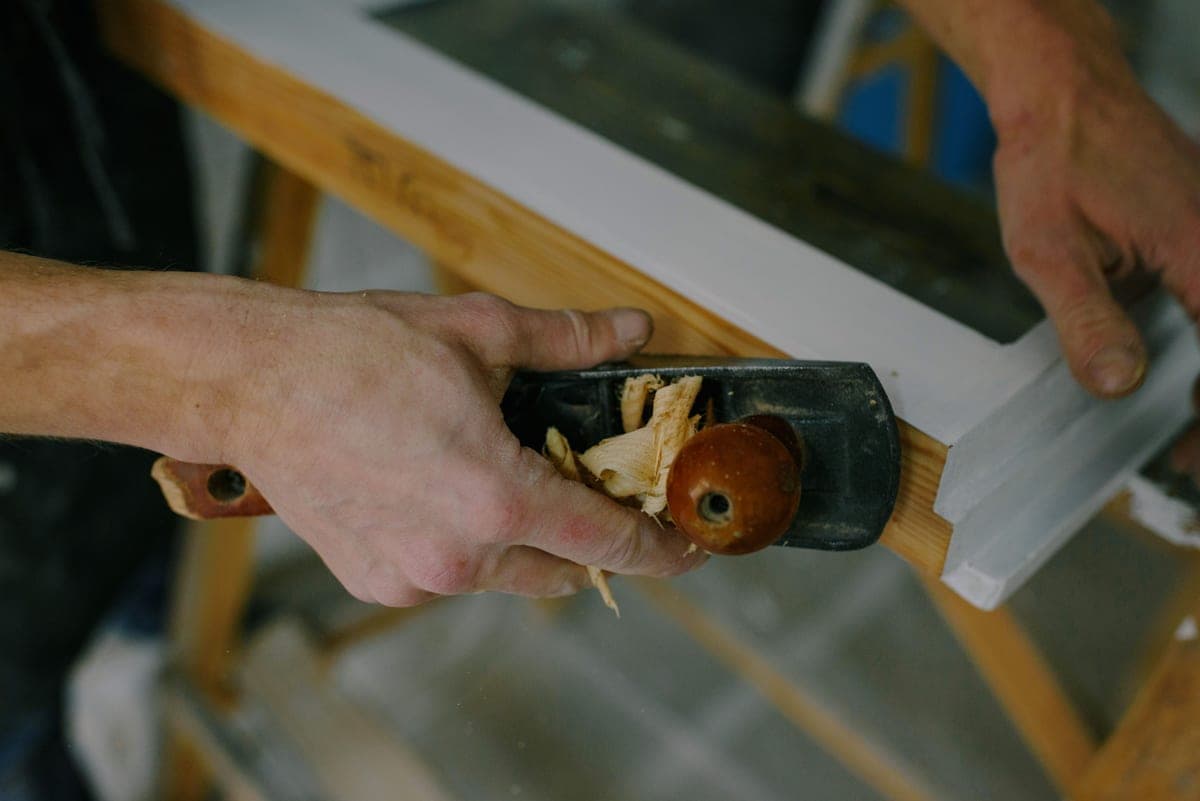
A carpenter fitting interior trim with a pneumatic finish nailer

Some links on this page are affiliate links. If you buy through one, Magoo Media Group earns a commission from the retailer at no extra cost to you. It never changes which product we rank first - how this site is funded.

Start here

Why nailers change the hose rule

Everywhere else on this site the advice is the same: buy a 3/8-inch hose, because diameter decides how much of your compressor's flow reaches the tool. Nailers are the exception, and the published demand figures are why.

Engineering ToolBox lists 0.5 CFM for an 18-gauge brad nailer and 2.5 CFM for a framing nailer. Bostitch publishes 1.8 CFM of free air at 80 PSI for a 15-gauge finish nailer running 60 fasteners a minute. Those are small numbers, and a 1/4-inch hose passes them without complaint.

So the constraint moves. What you feel on a nailer is the hose dragging on a ladder, catching on trim, and pulling the tool out of position - which makes weight and flexibility the specs that matter.

Published air demand at 90 PSI
ToolCFM @ 90 PSIAt loadDutyWhat the number means
Brad nailer, 18 gauge0.5-BurstThe most forgiving air tool there is. A nailer draws air only at the instant it fires, so almost any tank covers it. That is why a 1-gallon compressor is a genuinely complete tool for trim work rather than a compromise.
Finish nailer, 15 gauge1.8-BurstBostitch publishes 1.8 CFM of free air at 80 PSI for its BTFP72155 running 60 fasteners a minute - a fast, sustained trim pace, not casual use. At a realistic pace the draw is a fraction of that.
Framing nailer, 21 or 30 degree2.5-BurstEngineering ToolBox lists 2.5 CFM for a framing nailer on a 25% load factor. Metabo HPT publishes 0.09 SCFM at 100 PSI for the NR90AES1 on a per-cycle basis. The two describe the same tool at different firing rates, which is exactly why one CFM number for a nailer is misleading: nail pace sets the demand, not the badge on the tool.

Where two references publish different figures, both are shown rather than averaged into a number nobody published. Primary sources: Ingersoll Rand air consumption chart, Engineering ToolBox air tool consumption, and per-tool manufacturer specifications.

Ranked

The picks

Quick picks

#ProductBest forScorePrice
1
A light coiled quarter-inch air hose beside a finish nailer
Flexzilla HFZ1450YW2, 1/4 in x 50 ft1/4" / 50 ft / 300 PSIThe 1/4-inch Flexzilla. Same 300 PSI hybrid polymer, noticeably lighter, and right for nailers only.
Trim and finish nailing where hose weight is what you notice7.6/10★★★★☆

#ad Disclosure - we do not publish prices we cannot verify

2
A blue polyurethane air hose coiled on a clean workshop floor
Amflo 13-50AE polyurethane hose3/8" / 50 ft / 300 PSI3.5 pounds for 50 feet of 300 PSI hose, in a non-marring cover. The lightest way to move air.
Roofing, ladders, and anywhere the hose drags across finished surfaces8.4/10★★★★☆

#ad Disclosure - we do not publish prices we cannot verify

3
A coiled hybrid polymer air hose lying flat on a garage floor
Flexzilla HFZ3850YW23/8" / 50 ft / 300 PSI at 70F300 PSI hybrid polymer that lies flat from -40F to 140F. The upgrade that makes a cheap compressor feel expensive.
The one hose to own in a cold or unheated garage8.0/10★★★★☆

#ad Disclosure - we do not publish prices we cannot verify

4
A red rubber air hose with brass fittings on a workbench
Goodyear 12674 rubber air hose3/8" / 50 ft / 250 PSI250 PSI working, 1,070 PSI burst, EPDM rubber and brass ends. The hose that outlives the compressor.
A permanent hose that stays on the reel and never gets dragged into the cold7.3/10★★★★☆

#ad Disclosure - we do not publish prices we cannot verify

Scores are computed from manufacturer-published specs by the rubric on our methodology page. Nothing here has been bench-tested, and we do not publish prices we cannot verify.

Pick 1 - Flexzilla HFZ1450YW2

7.6/10★★★★☆

Flexzilla HFZ1450YW2, 1/4 in x 50 ft

Best for: Trim and finish nailing where hose weight is what you notice

Verdict

The 1/4-inch Flexzilla. Same 300 PSI hybrid polymer, noticeably lighter, and right for nailers only.

What it does well

  • Noticeably lighter than rubber at the same length and diameter - it matters on a ladder
  • 300 PSI working pressure with the same zero-memory lay-flat behavior as the 3/8-inch hose
  • Extreme all-weather flexibility, including subzero conditions

What it will not do

  • Only 1/4" ID: correct for nailers, and it will starve an impact wrench, which needs 3/8" minimum
  • Small-bore hose is the wrong default if you own one hose for everything
How this 7.6 was calculated
MetricScoreWeightBasis
Pressure headroom10.040%300 PSI rating, on a 125-300 PSI scale
Flow capacity6.040%Flow not published for this class - scored a 6, which is what a correctly sized hose or fitting does not restrict
Spec transparency6.020%5 published specification figures
A light coiled quarter-inch air hose beside a finish nailer

Licensed stock photo - illustrative of the category, not a photo of this unit

#ad Disclosure - we do not publish prices we cannot verify

Published specs

Flexzilla HFZ1450YW2, 1/4 in x 50 ft published specifications
Inside diameter1/4"
Length50 ft
Working pressure300 PSI
Fittings1/4" MNPT
MaterialHybrid polymer, zero memory

Source: Flexzilla Air Hose 1/4 in - product specifications

Pick 2 - Amflo 13-50AE

8.4/10★★★★☆

Amflo 13-50AE polyurethane hose

Best for: Roofing, ladders, and anywhere the hose drags across finished surfaces

Verdict

3.5 pounds for 50 feet of 300 PSI hose, in a non-marring cover. The lightest way to move air.

What it does well

  • 3.5 lb for 50 ft - a fraction of the weight of rubber, which is the whole reason roofers use it
  • 300 PSI working pressure with a nylon braid reinforcement, and a -30F to +150F range
  • Non-marring cover that resists weathering, abrasion, oil and kinks, so it will not scuff finished trim

What it will not do

  • Polyurethane is less abrasion-tolerant than rubber when dragged over concrete and sharp edges
  • Lighter hose is easier to pull off a bench or out of position by accident
How this 8.4 was calculated
MetricScoreWeightBasis
Pressure headroom10.040%300 PSI rating, on a 125-300 PSI scale
Flow capacity6.040%Flow not published for this class - scored a 6, which is what a correctly sized hose or fitting does not restrict
Spec transparency10.020%7 published specification figures
A blue polyurethane air hose coiled on a clean workshop floor

Licensed stock photo - illustrative of the category, not a photo of this unit

#ad Disclosure - we do not publish prices we cannot verify

Published specs

Amflo 13-50AE polyurethane hose published specifications
Inside diameter3/8"
Length50 ft
Working pressure300 PSI
Weight3.5 lb
Temperature range-30F to +150F
Fittings3/8" MNPT brass swivel with bend restrictors
MaterialPolyurethane with nylon braid reinforcement

Source: Amflo 13-50AE polyurethane air hose - retailer specification listing

Pick 3 - Flexzilla HFZ3850YW2

8.0/10★★★★☆

Flexzilla HFZ3850YW2

Best for: The one hose to own in a cold or unheated garage

Verdict

300 PSI hybrid polymer that lies flat from -40F to 140F. The upgrade that makes a cheap compressor feel expensive.

What it does well

  • 300 PSI maximum working pressure at 70F - higher than any compressor on this site produces
  • -40F to 140F flexibility: it still uncoils in an unheated garage in February
  • Zero-memory construction means it lies flat instead of fighting you, and 3/8" ID does not throttle an impact

What it will not do

  • Costs multiples of the PVC hose bundled in a compressor kit
  • The bright green is not subtle, which matters to precisely nobody using it
How this 8.0 was calculated
MetricScoreWeightBasis
Pressure headroom10.040%30070 PSI rating, on a 125-300 PSI scale
Flow capacity6.040%Flow not published for this class - scored a 6, which is what a correctly sized hose or fitting does not restrict
Spec transparency8.020%6 published specification figures
A coiled hybrid polymer air hose lying flat on a garage floor

Licensed stock photo - illustrative of the category, not a photo of this unit

#ad Disclosure - we do not publish prices we cannot verify

Published specs

Flexzilla HFZ3850YW2 published specifications
Inside diameter3/8"
Length50 ft
Max working pressure300 PSI at 70F
Temperature range-40F to 140F
Fittings1/4" MNPT, anodized aluminum ends
MaterialHybrid polymer

Source: Flexzilla HFZ3850YW2 air hose - distributor specification listing

Pick 4 - Goodyear 12674

7.3/10★★★★☆

Goodyear 12674 rubber air hose

Best for: A permanent hose that stays on the reel and never gets dragged into the cold

Verdict

250 PSI working, 1,070 PSI burst, EPDM rubber and brass ends. The hose that outlives the compressor.

What it does well

  • 250 PSI working pressure with a 1,070 PSI burst rating - a 4:1 margin
  • -50F to 190F range and a Class C oil, weather and solvent resistant EPDM cover
  • Machined brass ends seal better and corrode less than aluminum or zinc

What it will not do

  • Rubber is heavy and it holds a coil memory - dragging 50 ft of it around is real work
  • Stiffer than hybrid polymer when the garage is cold
How this 7.3 was calculated
MetricScoreWeightBasis
Pressure headroom7.140%250 PSI rating, on a 125-300 PSI scale
Flow capacity6.040%Flow not published for this class - scored a 6, which is what a correctly sized hose or fitting does not restrict
Spec transparency10.020%7 published specification figures
A red rubber air hose with brass fittings on a workbench

Licensed stock photo - illustrative of the category, not a photo of this unit

#ad Disclosure - we do not publish prices we cannot verify

Published specs

Goodyear 12674 rubber air hose published specifications
Inside diameter3/8"
Length50 ft
Working pressure250 PSI
Burst pressure1,070 PSI
Temperature range-50F to 190F
Fittings1/4" MNPT machined brass
CoverClass C oil, weather and solvent resistant EPDM

Source: Goodyear 12674 red rubber air hose - distributor specification listing

The numbers

Weight is the spec to shop on

Amflo publishes 3.5 pounds for 50 feet of its 3/8-inch polyurethane hose. Rubber at the same length and diameter is several times that - it is the reason roofers and trim carpenters reach for polyurethane and the reason rubber stays on the reel.

Flexzilla publishes that its 1/4-inch hybrid hose is noticeably lighter than rubber at the same length and diameter, with zero memory so it lays flat instead of coiling back at you. On a ladder, a hose that lies where you put it is worth more than a specification sheet suggests.

The non-marring point matters more for nailing than for any other job. You are working against finished trim and painted surfaces, and a polyurethane cover that will not scuff them is a genuine feature rather than a bullet point.

What matters for a nailer
HoseIDWorking pressurePublished weightCold rating
Flexzilla HFZ1450YW21/4"300 PSILighter than rubber (not published as a figure)Subzero / all-weather
Amflo 13-50AE polyurethane3/8"300 PSI3.5 lb per 50 ft-30F
Flexzilla HFZ3850YW23/8"300 PSI at 70FNot published-40F
Goodyear 12674 rubber3/8"250 PSINot published-50F

Where a manufacturer does not publish a weight, we say so rather than estimating it.

The exception to the exception

When to size up anyway

If one hose has to serve the nailer and an impact wrench, buy 3/8-inch. Ingersoll Rand specifies a 3/8-inch minimum hose ID for its 1/2-inch impact wrench, and a 1/4-inch hose starves it in a way that looks exactly like an undersized compressor.

If you are framing or roofing at a sustained pace, go 3/8-inch too. Nail pace is what drives demand, and at speed a long 1/4-inch run will let pressure sag at the tool.

The clean setup for a garage that does both: a 3/8-inch hose on the reel as the main line, and a short 1/4-inch whip at the tool end for trim work. The whip is the part that gets dragged around, and it is cheap to replace.

FAQ

Questions people actually ask

What size air hose is best for a nail gun?

1/4-inch ID is right for brad and finish nailing, where published demand is 0.5 to 1.8 CFM and hose weight matters more than flow. Move up to 3/8-inch for sustained framing or roofing, or if the same hose also feeds an impact wrench.

Does hose diameter matter for a nailer?

Far less than for any other air tool. A brad nailer needs about 0.5 CFM published, which a 1/4-inch hose passes easily. What you actually notice is weight and flexibility, especially on a ladder.

What is the best hose for trim work?

A light hose with a non-marring cover, because you are working against finished surfaces. Polyurethane is the lightest option at a published 3.5 lb per 50 ft and is specifically described as non-marring; a 1/4-inch hybrid is the other good answer.

How long should a nailer hose be?

50 feet covers most rooms and most of a two-car garage from one outlet. Longer runs are fine for a nailer because the demand is so low - the reason to keep it short is handling, not pressure drop.

What PSI should I run a nail gun at?

Inside the tool's published operating range, typically 70 to 120 PSI. Both nailers in our roster publish that range. Start at the low end for softwood trim and raise it only if nails are not seating fully.

Sources

Where these numbers come from

Accessed September 2026. If a figure on this page does not match the manufacturer's current sheet, tell us at contact@psiandhose.com and we will correct and date the change - see our editorial policy.

Read next