reference
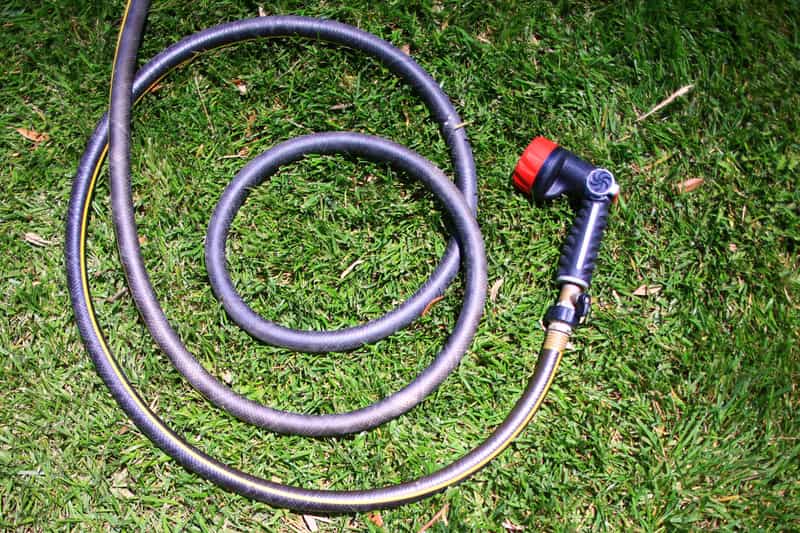
Air hose size chart
The diameter each tool class needs, including the manufacturer minimum for a 1/2-inch impact wrench.
Top pick
Flexzilla HFZ3850YW2
Check price on Amazon
#ad Disclosure - we do not publish prices we cannot verify
Hub
The cheapest parts of an air system have the largest effect on how it works. This is the section the rest of the category skips.
Some links on this page are affiliate links. If you buy through one, Magoo Media Group earns a commission from the retailer at no extra cost to you. It never changes which product we rank first - how this site is funded.
Everything in this hub
reference
The diameter each tool class needs, including the manufacturer minimum for a 1/2-inch impact wrench.
Top pick
Flexzilla HFZ3850YW2
#ad Disclosure - we do not publish prices we cannot verify
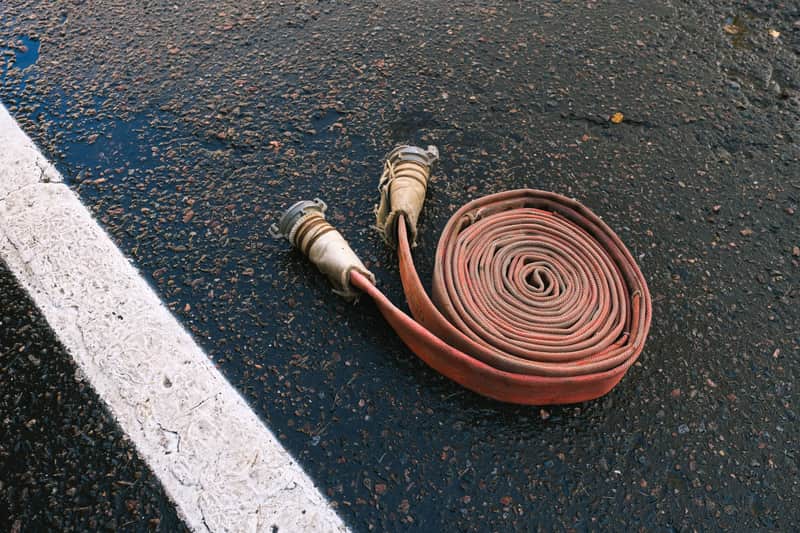
Best air hose
A 300 PSI hybrid that lies flat at -40F, and a 250 PSI rubber hose with a 1,070 PSI burst rating. Both 3/8-inch.
Top pick
Flexzilla HFZ3850YW2
#ad Disclosure - we do not publish prices we cannot verify
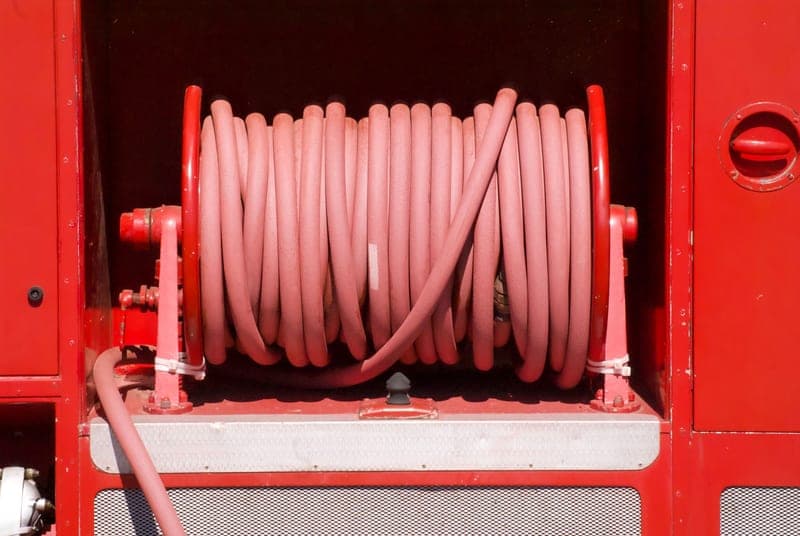
Best hose reel
A reel solves hose-on-the-floor and nothing else - so the only feature worth paying for is levelwind.
Top pick
Legacy L8305FZ Flexzilla reel
#ad Disclosure - we do not publish prices we cannot verify
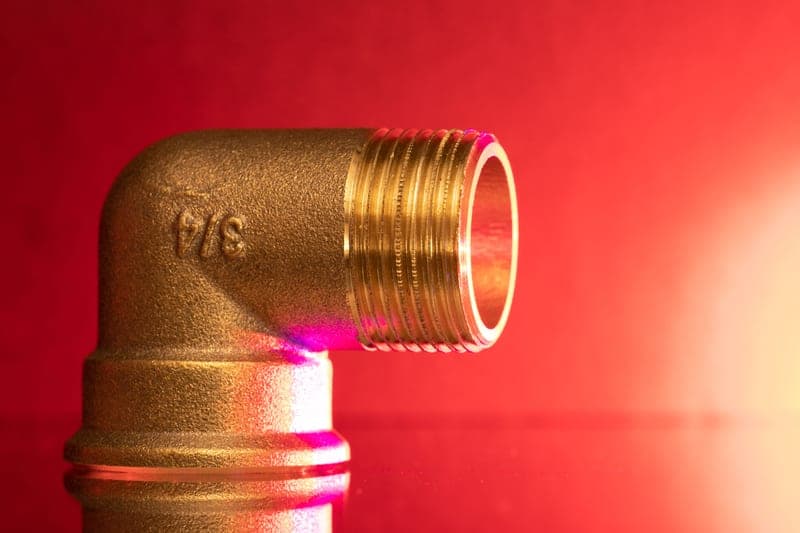
reference
Three near-identical patterns that do not interchange, published flow figures, and how to standardize once.
Top pick
Milton 1/4" NPT M-STYLE coupler and plug kit
#ad Disclosure - we do not publish prices we cannot verify
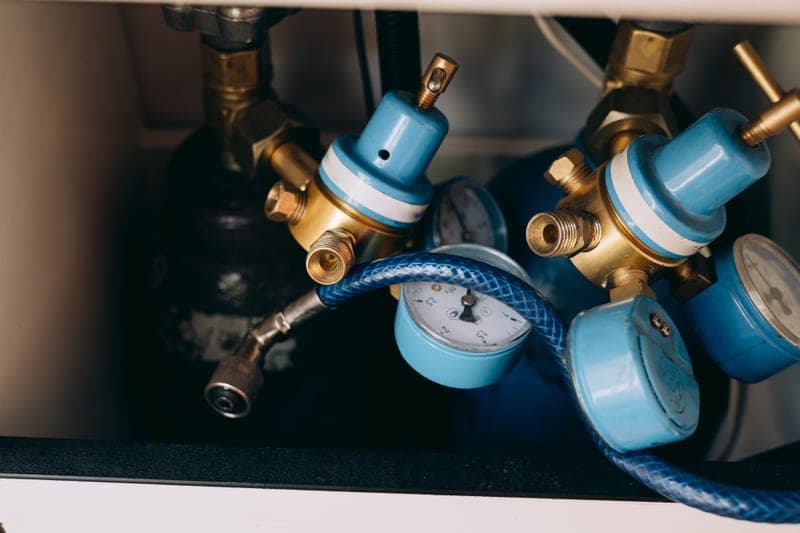
guide
10 micron for tools, 0.1 micron for spraying, 0.01 micron for clear coat and plasma - with the flow figures.
Top pick
PneumaticPlus SAW300 filter / regulator
#ad Disclosure - we do not publish prices we cannot verify
guide
Tank pressure and tool pressure are different numbers - where to fit the regulator, and the two rated limits people miss.
Top pick
PneumaticPlus SAW300 filter / regulator
#ad Disclosure - we do not publish prices we cannot verify
Orientation
When we researched every competitor in this category, this was the abandoned space. Hose diameter, coupler patterns, water traps and regulators get a sentence each in a setup guide, if that - and yet they are where most of the frustration in a home air system actually lives.
The clearest example: Ingersoll Rand specifies a 3/8-inch minimum hose internal diameter for its 1/2-inch impact wrench. That is a published specification on the tool. Compressor accessory kits almost universally ship a 1/4-inch hose. So a very large number of people are running a tool below the manufacturer's stated minimum and concluding their compressor is too small.
Fixing that costs about the price of a hose. It is the single cheapest meaningful upgrade available in a garage, it frequently makes a compressor upgrade unnecessary, and almost nobody tells you about it. Hence this section, and hence the site's name.
What to get right
Diameter. Air loses pressure to friction against the hose wall, and the loss rises steeply as internal diameter falls. 3/8-inch is the right default for a garage; 1/4-inch is for nailers and tires only; 1/2-inch is for sanders and spray work. Diameter matters more than length.
Coupler pattern. M-STYLE, ARO, Lincoln and Tru-Flate patterns look nearly identical, do not interchange, and are sold side by side. Standardize on one for the whole garage and discard the rest. Every adapter you remove is a restriction and a leak path gone. Milton publishes 40 SCFM for a standard 1/4-inch M-STYLE coupler, which is ample; three of them in series is not.
Water. Every compressor makes it - compressing air concentrates water vapor, which condenses as the air cools. A 10-micron filter-regulator catches liquid water and tank rust and is enough for every tool short of a spray gun. Spraying needs a 0.1 micron mist separator on top, and clear coat a 0.01 micron final filter.
Regulation. Your tank cycles between cut-in and cut-out pressure; your tool wants a steady 90 PSI. Set the regulator with air flowing, not static, because a reading taken with the tool idle will sag the moment it draws air. And watch the pressure ratings: fine filters are often rated below tank pressure, so the regulator goes first.
Plumbing sequence
Tank outlet, then 10 to 20 feet of line to let the hot air cool and finish condensing, then the filter-regulator, then any fine filtration downstream of the regulator, then the reel or hose drop, then one coupler pattern at the tool.
The cooling run matters more than people expect. Air leaving the pump is hot and has not finished condensing, so a filter bolted straight to the tank outlet catches noticeably less water than one placed further along. This is free to get right and impossible to fix later without re-plumbing.
The rating order matters for safety as well as function. The sub-micronic filter we recommend is rated to 125 PSI maximum, and a 175 PSI tank outlet exceeds that. Regulator first, fine filtration second - not the other way round.
A setup worth building
Fifty feet of 3/8-inch hose on a wall or ceiling-mounted levelwind reel, a 10-micron filter-regulator at the wall, one coupler pattern with a plug fitted to every tool, and a short whip at the tool end that takes the abuse.
That is not an expensive list, and it transforms a budget compressor. The reel gets the hose off the floor, which is the only real hose problem. The filter protects every tool you own. The single coupler pattern removes a permanent source of leaks and swearing. The whip means the expensive hose is not the part being dragged across concrete.
None of it adds capability - it adds the capability you already paid for and are not receiving. That distinction is worth holding onto when you are deciding between spending on this section or on a bigger compressor.
FAQ
3/8-inch internal diameter is the right default for a garage - it covers every tool up to a die grinder without starving an impact wrench. Use 1/4-inch only for nailers and tire inflation, and 1/2-inch for sanders and spray work.
No. M-STYLE, ARO, Lincoln and Tru-Flate patterns look nearly identical and do not interchange. Pick one for your whole garage - M-STYLE is the most common in US home garages - and get rid of the others.
Yes, for any tool. Water rusts nailers and washes lubricant out of impact wrenches. A 10-micron filter-regulator is inexpensive, publishes 53 SCFM so it restricts nothing, and outlives several tools. Spraying needs finer stages on top.
Downstream of 10 to 20 feet of line, not bolted to the tank outlet. Hot air leaving the pump has not finished condensing, so a filter further along catches considerably more water.
If you are currently on a 1/4-inch kit hose, noticeably - Ingersoll Rand specifies 3/8-inch minimum for a 1/2-inch impact wrench. It is the cheapest meaningful upgrade in a garage and frequently makes a compressor upgrade unnecessary.