comparison
Oil-free vs oil-lubricated air compressor
A duty-cycle decision dressed up as a maintenance decision. Why oil-free is right for most home garages.
Top pick
Porter-Cable C2002
#ad Disclosure - we do not publish prices we cannot verify
Hub
Eight decisions people get stuck on, each with the published specs for both options and the products on both sides of the argument.

Some links on this page are affiliate links. If you buy through one, Magoo Media Group earns a commission from the retailer at no extra cost to you. It never changes which product we rank first - how this site is funded.
Everything in this hub

comparison
A duty-cycle decision dressed up as a maintenance decision. Why oil-free is right for most home garages.
Top pick
Porter-Cable C2002
#ad Disclosure - we do not publish prices we cannot verify
comparison
Same pumps, different shapes - so this is an ergonomics decision, not a performance one.
Top pick
Porter-Cable C2002
#ad Disclosure - we do not publish prices we cannot verify
comparison
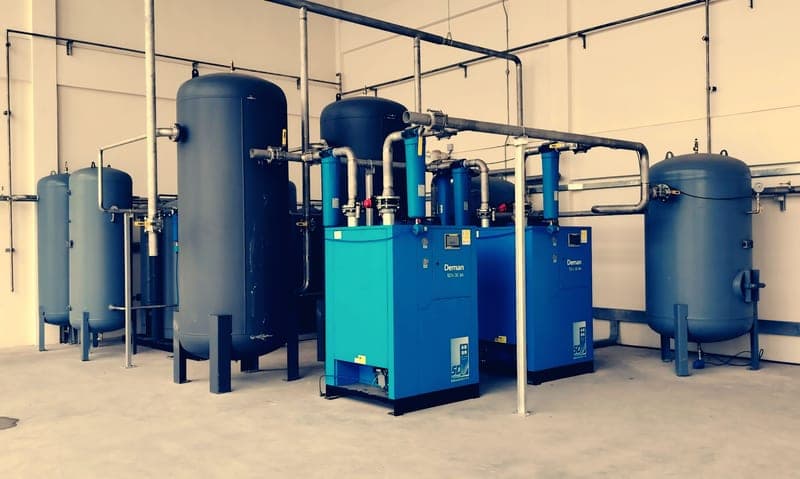
The gallon gap is smaller than it looks and the pump gap is larger. Compare on stored air and CFM.
Top pick
Husky C201H 20-gallon
#ad Disclosure - we do not publish prices we cannot verify
comparison
Better engineering, almost never the right home purchase. The three conditions that change the answer.
Top pick
DEWALT DXCMLA1983054 30-gallon
#ad Disclosure - we do not publish prices we cannot verify
comparison
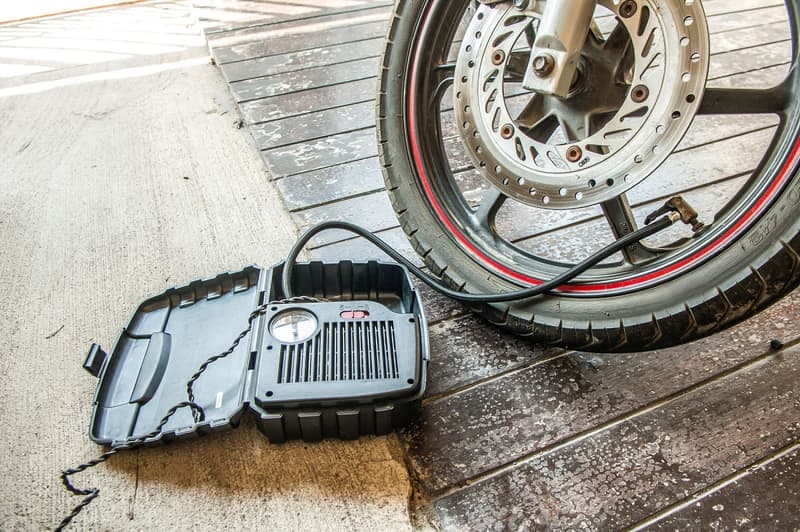
One has a tank and runs tools; one weighs five pounds and lives in your car. The hard capability line explained.

comparison
Cordless has caught up on torque. Air still wins on nailing, blow guns and owning several tools. The honest split.
Top pick
Ingersoll Rand 231C
#ad Disclosure - we do not publish prices we cannot verify
comparison
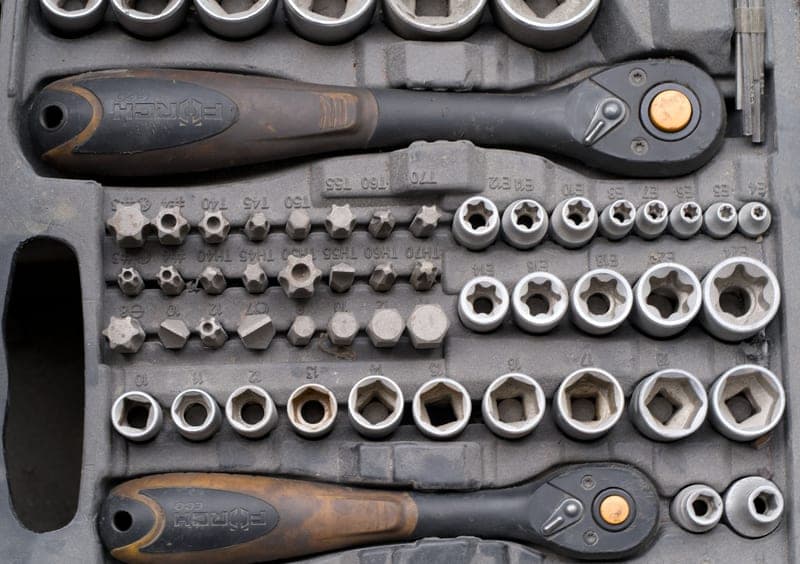
25 ft-lb against 600 - different jobs entirely. And the lower-CFM tool is the harder one on your tank.
Top pick
Ingersoll Rand 231C
#ad Disclosure - we do not publish prices we cannot verify
comparison
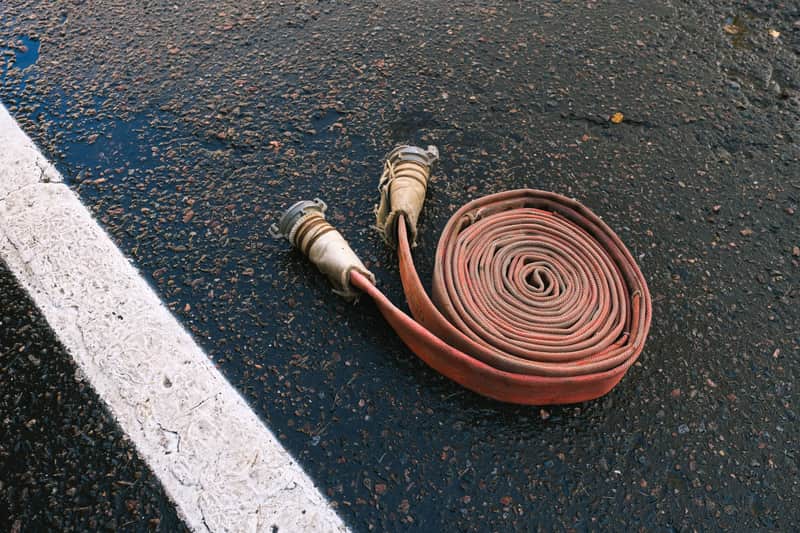
Three materials, and the one most people own came free with the compressor. Published ratings compared.
Top pick
Flexzilla HFZ3850YW2
#ad Disclosure - we do not publish prices we cannot verify
Orientation
Every comparison on this site carries the products being compared, on both sides. A reader weighing two specific options is closer to a decision than anyone else on the site, and sending them away to search for the thing they were about to buy is the worst possible outcome.
Each one leads with a table of published specifications rather than opinion, because most of these decisions resolve once the actual numbers are next to each other. The 20 versus 30 gallon question, for instance, mostly dissolves when you notice the 20-gallon tank runs at 175 PSI against the 30-gallon's 155, so the storage gap is a third rather than a half.
And each one ends with a recommendation rather than a shrug. Comparisons that conclude that it depends on your needs have wasted your time. Where the answer genuinely depends on something, we name the something and tell you which way each answer points.
Where to start
Oil-free versus oil-lubricated is the most consequential, because it is a duty-cycle decision dressed up as a maintenance decision. For burst work oil-free is genuinely the right answer and the pump will likely outlast your interest in the hobby. The moment a continuous-duty tool joins your list, the heat management of an oil bath stops being optional.
Air versus cordless is the one that decides whether anything else on this site is relevant to you. Cordless impacts now produce torque in the same range as the air tools we cover and need no compressor at all. Air still wins on nailing, blow guns and owning several tools - and we say so with the numbers rather than defending our own category.
Tire inflator versus compressor catches more people than any other. These are sold under the same search term and are not the same machine: one has a tank and can run tools, the other weighs under five pounds and cannot run any air tool ever. The right answer for many people is both.
Our additions
Air ratchet versus impact wrench, because the specs make the answer obvious - 25 ft-lb against 600 - and yet the interesting finding is the opposite of what the numbers suggest. The ratchet publishes lower CFM and is harder on a small compressor, because you hold its trigger ten to twenty times longer.
Rubber versus PVC versus hybrid hose, because the hose is the cheapest thing in an air system and the most common reason a tool feels weak, and because almost nobody writes about it. The finding: the material barely matters and the diameter matters enormously.
Pancake versus hot dog, because the honest answer - the pumps are usually identical, so this is an ergonomics decision - is not what a category built on comparing specs wants to say.
Honest limits
We will not claim to have used both options. We have bench-tested nothing, and every table here is manufacturer-published specifications with the sources linked. In a category where competing sites advertise expert reviews with nothing behind them, we would rather be explicit about the basis.
We will not invent a figure to complete a table. Where a manufacturer publishes no noise figure, no duty cycle or no weight, the cell says not published. Seven of the sixteen compressors we catalog publish no dBA figure at all, and pretending otherwise would make the tables prettier and the site worse.
And we will not pick the option that pays better. Where the honest recommendation is an electric tool, a 12V pump, or spending less, that is the recommendation - which is why the tire page tops out with a 12V inflator and the sanding advice is to buy an electric sander.
FAQ
Oil-free for burst work: nothing to maintain, and one manufacturer publishes 3,000-plus hours of pump life, which at home duty is many years. Oil-lubricated once you use continuous-duty tools, because the oil bath carries away the heat that kills oil-free pumps.
On stored air only about a third better, because the 20-gallon runs at 175 PSI against 155. The real difference is the pump - 5.7 CFM oil-lubricated cast iron against 4.0 CFM oil-free - which is a genuine step up in capability and service life.
Almost certainly not. Two-stage makes sense for continuous 10-plus CFM tools, two tools at once, or hours of running. For nailing, tires, impacts and occasional grinding, a single-stage unit is correct and two-stage is a 240V project you do not need.
Air for nailing, blow guns and high-frequency automotive work - lighter, cheaper, longer-lived. Cordless for drilling, sanding, occasional use and anywhere away from power. The compressor is a one-time cost that only pays back across several air tools.
No. A 12V inflator has no tank, so no stored air, so it cannot run any air tool at all. It is better than a compressor for tires because it lives in the vehicle, and useless for everything else.