Skip to content
Psi & Hose

Guides

Is an air compressor worth it?

The answer depends entirely on how many air tools you will end up owning, because the compressor is a one-time cost that only pays back across several tools.

By Ryder M.Last updated Published
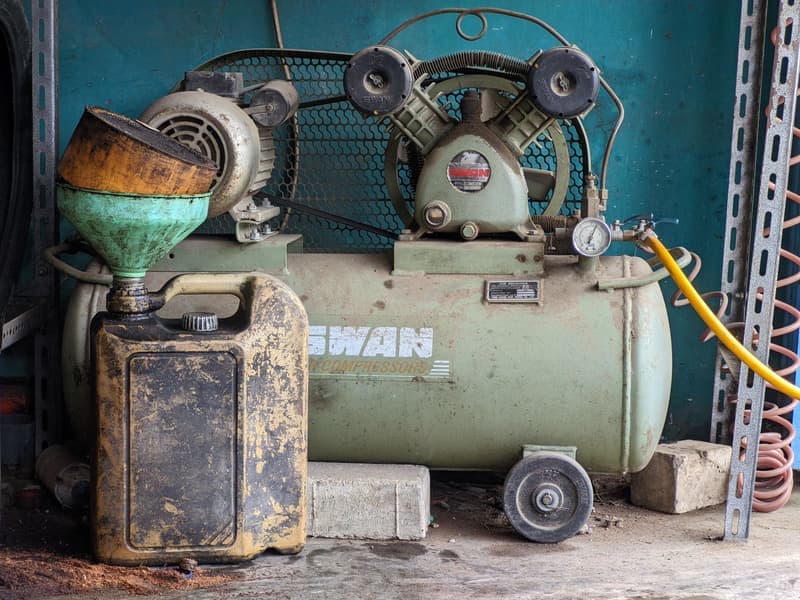
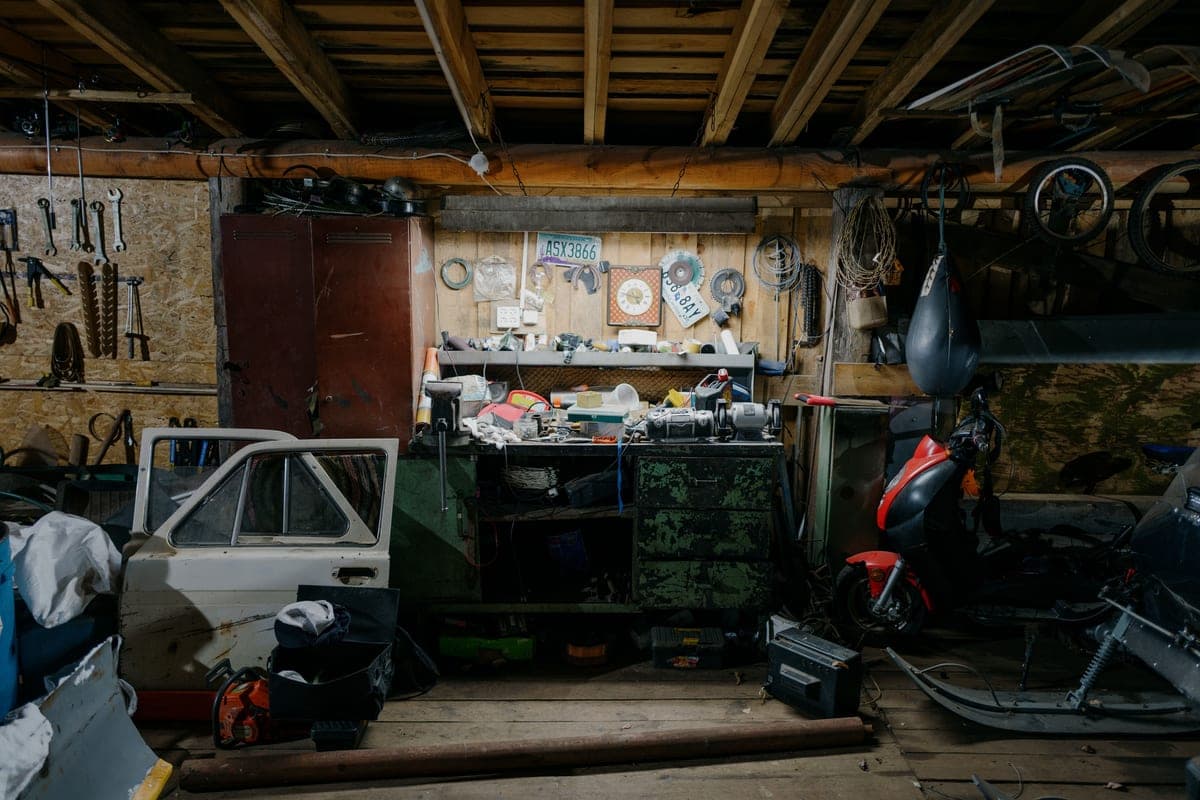
A home garage with tools and a compressor along one wall

Some links on this page are affiliate links. If you buy through one, Magoo Media Group earns a commission from the retailer at no extra cost to you. It never changes which product we rank first - how this site is funded.

Yes or no

The short answer

Yes, if you will own two or more air tools, or if you want a blow gun. The compressor is the fixed cost; every tool after the first is cheap, because an air motor is a simple mechanism with no electronics and no battery.

Probably not, if you want exactly one air tool and that tool has a good cordless equivalent. A compressor plus hose plus fittings plus an impact wrench costs meaningfully more than one cordless impact, and the cordless version goes places the compressor cannot.

Almost certainly not, if the only job is tires. A 4.75-pound 12V inflator in the trunk does that job better than any garage compressor, because it is where soft tires actually happen.

The question that settles it

Write down every air tool you would realistically use in the next two years. One tool? Buy cordless. Two or three - say a nailer, a blow gun and an impact? Buy the compressor. The blow gun on its own tips a lot of people over the line, because there is no cordless equivalent.

The real case

What a compressor is genuinely good at

Nailing. Pneumatic nailers are lighter, cheaper and more reliable than cordless ones, and Engineering ToolBox publishes 0.5 CFM for a brad nailer - a demand so small that a 1-gallon 20-pound compressor covers it completely. This is the strongest single argument for owning air.

Blowing things out. Brake dust, a clogged filter, water off a part you just washed, sawdust out of a track saw. There is no cordless substitute and it is quietly one of the most-used functions in a garage, at 2.5 to 3 CFM published.

Tire inflation at home. A full 6-gallon tank holds enough air for four car tires without the pump starting. Faster than any 12V unit, though it only works where the compressor is.

High-frequency automotive work. If you are under cars regularly, an air impact at 4.2 CFM average plus a ratchet at 3 CFM off one compressor is lighter in the hand all day and cannot run out of battery mid-job.

Published air demand at 90 PSI
ToolCFM @ 90 PSIAt loadDutyWhat the number means
Brad nailer, 18 gauge0.5-BurstThe most forgiving air tool there is. A nailer draws air only at the instant it fires, so almost any tank covers it. That is why a 1-gallon compressor is a genuinely complete tool for trim work rather than a compromise.
Blow gun / dusting gun2.5 - 3-IntermittentIngersoll Rand lists 2.5 CFM, Engineering ToolBox 3. Held open continuously - clearing a sprinkler line, blowing out a filter - a blow gun empties a 6-gallon tank surprisingly fast.
Tire inflation2-IntermittentBoth references agree on 2 CFM. Note the working pressure: you are filling to 35 PSI, not 90, so almost every compressor delivers more than it needs to. Tires are why so many people overbuy - the job is easy and the marketing is not.
Impact wrench, 1/2"4 - 522BurstThe most misunderstood number on this chart. Ingersoll Rand publishes 4.2 CFM average for the 231C and 22 CFM at load. The average assumes you hold the trigger for a second or two at a time. A 6-gallon pancake at 2.6 CFM does break lug nuts; it simply cannot keep the trigger down.

Where two references publish different figures, both are shown rather than averaged into a number nobody published. Primary sources: Ingersoll Rand air consumption chart, Engineering ToolBox air tool consumption, and per-tool manufacturer specifications.

The picks

What to buy if the answer is yes

Quick picks

#ProductBest forScorePrice
1
A red six-gallon pancake air compressor on a garage floor
Porter-Cable C20022.6 CFM @ 90 / 6 gal / 150 PSIThe default answer to 'cheapest useful compressor'. 6 gallons, 2.6 CFM, 150 PSI, and it has been the same machine for years.
A first compressor for nailing, inflation and burst automotive work3.6/10★★☆☆☆
Check price on Amazon

#ad Disclosure - we do not publish prices we cannot verify

2
A small portable oil-free trim compressor on a workshop bench
Senco PC10100.7 CFM @ 90 / 1 gal / 125 PSI / 68 dBAThe cheapest compressor on this site that is genuinely complete for one job: trim nailing. 0.7 CFM and 20 pounds.
Trim, cabinets and punch-list nailing2.6/10★☆☆☆☆
Check price on Amazon

#ad Disclosure - we do not publish prices we cannot verify

3
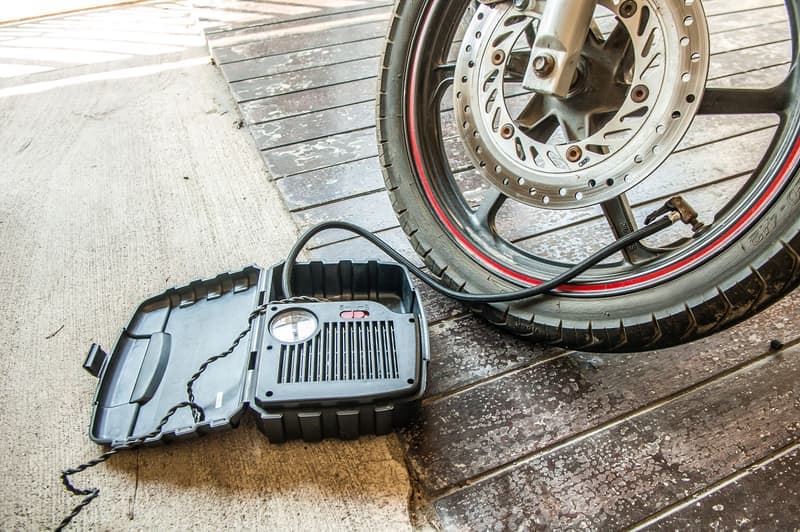
A portable 12-volt air compressor with a coiled hose beside a tire
VIAIR 88PCFM not published / no tank / 120 PSIA 12V tire inflator, not a compressor. 120 PSI max with a 25-minute duty at 30 PSI. Buy it for the car, not the garage.
Topping up and re-airing tires away from a wall outlet2.1/10★☆☆☆☆
Check price on Amazon

#ad Disclosure - we do not publish prices we cannot verify

4
A half-inch drive air impact wrench with a socket attached
Ingersoll Rand 231C4.2 CFM avg / 22 CFM at load600 ft-lb at 4.2 CFM average - and 22 CFM at load. The tool that teaches you what 'average CFM' really means.
Lug nuts and suspension bolts on a normal garage compressor4.3/10★★☆☆☆
Check price on Amazon

#ad Disclosure - we do not publish prices we cannot verify

Scores are computed from manufacturer-published specs by the rubric on our methodology page. Nothing here has been bench-tested, and we do not publish prices we cannot verify.

Pick 1 - Porter-Cable C2002

3.6/10★★☆☆☆

Porter-Cable C2002

Best for: A first compressor for nailing, inflation and burst automotive work

Verdict

The default answer to 'cheapest useful compressor'. 6 gallons, 2.6 CFM, 150 PSI, and it has been the same machine for years.

What it does well

  • 2.6 CFM at 90 PSI and 3.7 at 40 - the most common spec in the budget class for a reason
  • 6-gallon tank at 150 PSI stores enough air for real bursts of impact work
  • Two couplers, so two people or two tools without swapping

What it will not do

  • Porter-Cable does not publish a noise figure for it; the class sits in the high 70s to low 80s dBA
  • 2.6 CFM will not run a ratchet, die grinder or sander continuously
How this 3.6 was calculated
MetricScoreWeightBasis
Air flow3.640%2.6 CFM at 90 PSI, on a 0.7-6 CFM scale
Stored air2.325%6 gal x 150 PSI = 900, on a 125-3,500 scale
Noise5.015%Manufacturer publishes no dBA figure - scored a neutral 5, not a guess
Portability5.010%No weight published - scored a neutral 5
Spec transparency3.310%2 of 6 useful figures published (CFM at 90, CFM at 40, dBA, duty cycle, recovery, weight)
A red six-gallon pancake air compressor on a garage floor

Licensed stock photo - illustrative of the category, not a photo of this unit

Check price on Amazon

#ad Disclosure - we do not publish prices we cannot verify

Published specs

Porter-Cable C2002 published specifications
CFM @ 90 PSI2.6
CFM @ 40 PSI3.7
Tank6 gal
Max pressure150 PSI
NoiseNot published
Duty cycleNot published
RecoveryNot published
PumpOil-free
Motor0.8
WeightNot published
Power120V

Source: Porter-Cable C2002 - product specifications

Pick 2 - Senco PC1010

2.6/10★☆☆☆☆

Senco PC1010

Best for: Trim, cabinets and punch-list nailing

Verdict

The cheapest compressor on this site that is genuinely complete for one job: trim nailing. 0.7 CFM and 20 pounds.

What it does well

  • 0.7 CFM at 90 PSI is more than a brad nailer needs, and the tool weighs 20 lb
  • 68 dBA published - quiet enough to run indoors without ear protection being the issue
  • Nothing to maintain: oil-free, one gauge, one regulator

What it will not do

  • 1 gallon and 0.7 CFM will not run any automotive tool, and we will not pretend otherwise
  • 125 PSI max is the lowest ceiling in the roster, so tank storage is limited
How this 2.6 was calculated
MetricScoreWeightBasis
Air flow0.040%0.7 CFM at 90 PSI, on a 0.7-6 CFM scale
Stored air0.025%1 gal x 125 PSI = 125, on a 125-3,500 scale
Noise6.315%68 dBA, on a 58-85 dBA scale
Portability10.010%20 lb, on a 20-90 lb scale
Spec transparency6.710%4 of 6 useful figures published (CFM at 90, CFM at 40, dBA, duty cycle, recovery, weight)
A small portable oil-free trim compressor on a workshop bench

Licensed stock photo - illustrative of the category, not a photo of this unit

Check price on Amazon

#ad Disclosure - we do not publish prices we cannot verify

Published specs

Senco PC1010 published specifications
CFM @ 90 PSI0.7
CFM @ 40 PSINot published
Tank1 gal
Max pressure125 PSI
Noise68 dBA
Duty cycleNot published
Recovery128 second pump-up time
PumpOil-free
Motor0.5 running / 1.0 peak
Weight20 lb
Power115V

Source: Senco PC1010 - product specifications

Pick 3 - VIAIR 88P

2.1/10★☆☆☆☆

VIAIR 88P

Best for: Topping up and re-airing tires away from a wall outlet

Verdict

A 12V tire inflator, not a compressor. 120 PSI max with a 25-minute duty at 30 PSI. Buy it for the car, not the garage.

What it does well

  • 120 PSI max working pressure covers car, truck and trailer tires
  • 1.47 CFM free flow at 0 PSI; about 1.25 CFM at 30 PSI - the pressure tires actually live at
  • 4.75 lb with a 10 ft power cord and 16 ft air hose

What it will not do

  • No tank, so it cannot run any air tool at all - not one
  • 20 A draw and a published 25-minute duty at 30 PSI: four tires, then let it cool
How this 2.1 was calculated
MetricScoreWeightBasis
Air flow0.040%No CFM at 90 PSI published - scored zero rather than guessed
Stored air0.025%0 gal x 120 PSI = 0, on a 125-3,500 scale
Noise5.015%Manufacturer publishes no dBA figure - scored a neutral 5, not a guess
Portability10.010%4.75 lb, on a 20-90 lb scale
Spec transparency3.310%2 of 6 useful figures published (CFM at 90, CFM at 40, dBA, duty cycle, recovery, weight)
A portable 12-volt air compressor with a coiled hose beside a tire

Licensed stock photo - illustrative of the category, not a photo of this unit

Check price on Amazon

#ad Disclosure - we do not publish prices we cannot verify

Published specs

VIAIR 88P published specifications
CFM @ 90 PSINot published
CFM @ 40 PSINot published
TankNone (direct drive)
Max pressure120 PSI
NoiseNot published
Duty cycle25 min at 30 PSI (manufacturer-published)
RecoveryNot published
PumpOil-free
Motor12V DC, 20 A max draw
Weight4.75 lb
Power12V DC

Source: VIAIR 88P portable compressor - product specifications

Pick 4 - Ingersoll Rand 231C

4.3/10★★☆☆☆

Ingersoll Rand 231C

Best for: Lug nuts and suspension bolts on a normal garage compressor

Verdict

600 ft-lb at 4.2 CFM average - and 22 CFM at load. The tool that teaches you what 'average CFM' really means.

What it does well

  • 600 ft-lb max torque at 8,000 RPM, which is more than any lug nut needs
  • 4.2 CFM average at 90 PSI - a 4 CFM compressor keeps up with real-world use
  • The long-running industry default, so parts and service kits are everywhere

What it will not do

  • 22 CFM at load. Hold the trigger down and no garage compressor on this site will keep up
  • 99 dBA - wear hearing protection, this is not optional
  • Wants a 3/8" minimum hose ID; a 1/4" hose will throttle it
How this 4.3 was calculated
MetricScoreWeightBasis
Air economy4.340%4.2 CFM average at 90 PSI, on a 1.8-6 CFM scale (lower is better)
Handling5.025%No weight published - scored a neutral 5
Noise0.520%99 dBA, on an 80-100 dBA scale
Spec transparency8.015%4 of 5 useful figures published (average CFM, CFM at load, dBA, weight, minimum hose)
A half-inch drive air impact wrench with a socket attached

Licensed stock photo - illustrative of the category, not a photo of this unit

Check price on Amazon

#ad Disclosure - we do not publish prices we cannot verify

Published specs

Ingersoll Rand 231C published specifications
Average air @ 90 PSI4.2 CFM
Air at load22 CFM
Performance600 ft-lb max torque, 8,000 RPM, 1,200 BPM
Noise99 dBA
WeightNot published
Minimum hose3/8" ID minimum

Source: Ingersoll Rand 231C impact wrench - product specifications

Budget honestly

The costs people forget

The hose. The one in the kit is 1/4-inch PVC and gets replaced. A proper 3/8-inch 50-foot hose is a real line item, and it matters more to how your tools feel than the difference between two compressors.

The fittings. One coupler pattern, enough plugs for every tool, and PTFE tape. Small money, and skipping it means a drawer of adapters and a permanently leaky system.

A filter-regulator. Every compressor makes water, and water rusts nailers and washes lubricant out of impact wrenches. A 10-micron filter-regulator is inexpensive and outlives several tools.

Somewhere to put it. A 6-gallon pancake lives under a bench. A 20-gallon vertical takes a corner permanently. A 30-gallon belt-drive unit is furniture. That is a real cost in a garage that is already full.

The sub-question people actually ask

Are small compressors worth it?

A 1-gallon trim compressor at 0.7 CFM is genuinely worth it for nailing and nothing else, and that is not a criticism. Engineering ToolBox publishes 0.5 CFM for a brad nailer, so 0.7 CFM is a real match rather than a compromise, and 20 pounds carries up a ladder in one hand.

The mistake is buying one and expecting automotive capability. 0.7 CFM will not run any automotive air tool, ever, and no amount of patience changes that. If you might want an impact wrench later, buy the 6-gallon unit now - it costs barely more and it is four times the air.

Are quiet compressors worth it? Only if you work where noise matters, and know that the small quiet units deliver less flow than a cheaper pancake. Are portable ones worth it? Only if you actually carry them - a compressor bought for portability and then left in one corner was the wrong purchase.

FAQ

Questions people actually ask

Is an air compressor worth it for a home garage?

Yes if you will own two or more air tools, or want a blow gun - there is no cordless equivalent to one. Probably not if you want a single tool with a good cordless version, and almost certainly not if the only job is tires.

Are small air compressors worth it?

For nailing, genuinely yes. A 1-gallon unit at 0.7 CFM comfortably exceeds a brad nailer's published 0.5 CFM demand and weighs 20 pounds. It will not run any automotive tool, so buy the 6-gallon unit if that is on your horizon.

Are portable air compressors worth it?

Only if you carry them. A 30-pound pancake carried to jobs earns its format; the same compressor left permanently in one corner would have been better as a cheaper or larger stationary unit.

Are electric air compressors worth it compared to gas?

For a home garage, yes without question - gas compressors exist for job sites with no power and are louder, heavier and need fuel and maintenance. Every compressor in our roster is electric because that is what a garage needs.

How much should I budget in total?

The compressor plus a proper 3/8-inch hose, a matched set of couplers and a filter-regulator. Those three extras are a meaningful fraction of a budget compressor's price and all three are worth having from day one.

Sources

Where these numbers come from

Accessed September 2026. If a figure on this page does not match the manufacturer's current sheet, tell us at contact@psiandhose.com and we will correct and date the change - see our editorial policy.

Read next