Skip to content
Psi & Hose

Guides

Garage air compressor setup

A compressor, a reel and a filter in the right order is a permanent air system. In the wrong order it is a compressor with expensive accessories attached.

By Ryder M.Last updated Published
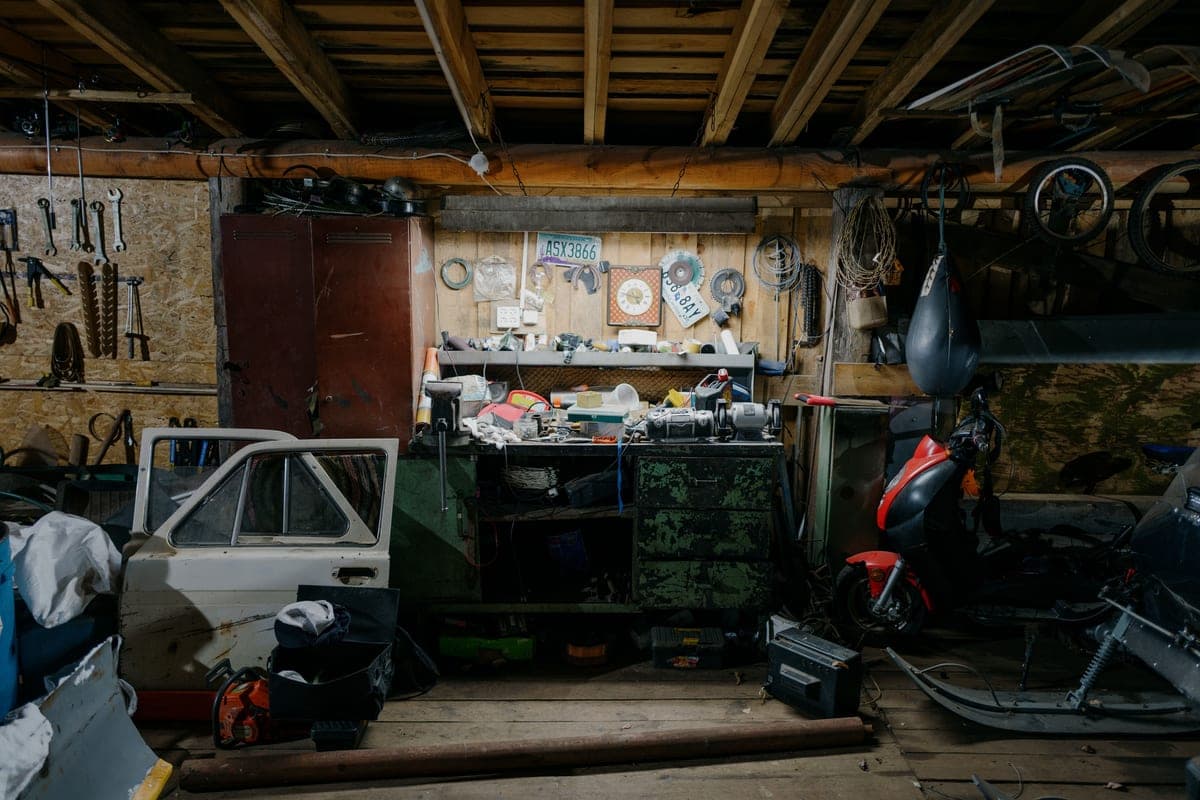
A tidy home garage workshop with wall-mounted equipment

Some links on this page are affiliate links. If you buy through one, Magoo Media Group earns a commission from the retailer at no extra cost to you. It never changes which product we rank first - how this site is funded.

Step zero

Decide portable or permanent first

A portable setup is a pancake compressor, a coiled hose on a hook, and a filter-regulator screwed to the compressor manifold. It costs least, takes no installation, and moves out of the way. If your garage is shared with cars and storage, this is usually the right answer.

A permanent setup is a vertical tank in a corner, a wall-mounted filter-regulator, a hose reel, and possibly a hard line to a second drop point. It costs more and takes an afternoon, and it changes behavior - a permanent air system gets used for small jobs because there is nothing to set up.

The honest test: do you currently get the compressor out, or do you not bother? If you do not bother, the installation is the upgrade, not the machine.

Plumbing sequence

The order things go in

  1. 01Tank outlet. Whatever the compressor's own manifold provides. On a 175 PSI tank this is the highest pressure in the system.
  2. 02A short length of pipe or hose to let the air cool. Air leaving the pump is hot and has not finished condensing. Giving it 10 to 20 feet before the filter means the filter catches far more water than one bolted straight to the tank.
  3. 03Filter-regulator. A 10-micron element and a regulator in one body. Ours publishes 53 SCFM at 3/8-inch NPT, 250 PSI maximum supply and 150 PSI maximum operating pressure - note that a 175 PSI tank exceeds the operating figure, so position it where the pressure it regulates is within rating.
  4. 04Any fine filtration, downstream of the regulator. A 0.1 micron mist separator for spraying, and a 0.01 micron final filter for clear coat or plasma. The sub-micronic filter we recommend is rated to 125 PSI maximum, which is why it must sit after the regulator.
  5. 05Hose reel or hose drop. 50 feet of 3/8-inch hose covers most of a two-car garage from a sensible mounting point.
  6. 06One coupler pattern at the tool end. M-STYLE is the most common in US home garages; pick one, fit it everywhere, discard the rest.

The rating trap that catches people

Fine filtration is often rated LOWER than your tank. A 0.01 micron filter rated 125 PSI cannot sit on a 175 PSI tank outlet. Regulator first, fine filtration second - not the other way round.

The picks

What we would buy for a permanent setup

Quick picks

#ProductBest forScorePrice
1
A twenty-gallon vertical air compressor standing against a garage wall
Husky C201H 20-gallon4 CFM @ 90 / 20 gal / 175 PSI / 83 dBA4.0 CFM with 20 gallons at 175 PSI. The cheapest way to buy STORAGE rather than flow.
Burst automotive work where tank volume, not CFM, is the limit6.3/10★★★☆☆
Check price on Amazon

#ad Disclosure - we do not publish prices we cannot verify

2
A wall-mounted compressed air filter and regulator with a pressure gauge
PneumaticPlus SAW300 filter / regulator3/8" NPT / 53 SCFM / 10 micron53 SCFM, 10 micron, with a real gauge and a metal bowl. The single most useful small purchase in a garage air system.
One combined water trap and regulator at the wall5.3/10★★★☆☆
Check price on Amazon

#ad Disclosure - we do not publish prices we cannot verify

3
A wall-mounted retractable air hose reel in a garage
Legacy L8305FZ Flexzilla reel3/8" ID x 50 ft Flexzilla / 300 PSI / 1/4" MNPT300 PSI retractable reel with levelwind, wall or ceiling mounted. Solves the only real hose problem: storage.
Getting 50 ft of hose off the floor permanently7.6/10★★★★☆
Check price on Amazon

#ad Disclosure - we do not publish prices we cannot verify

4
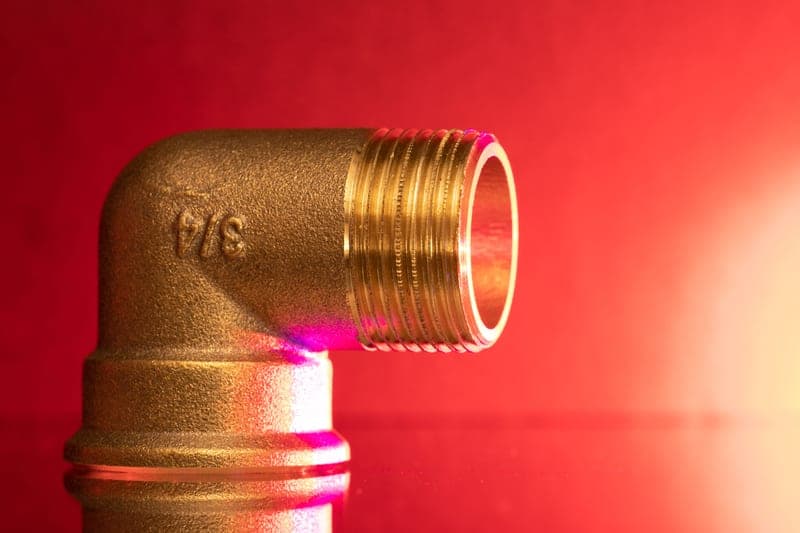
Brass air fittings, couplers and plugs arranged on a bench
Milton 1/4" NPT M-STYLE coupler and plug kit1/4" NPT / M-STYLE (Industrial / Milton) / 300 PSI300 PSI, 40 SCFM, and the pattern most American garages already use. Standardize on one and stop adapting.
Making every tool in the garage fit every hose4.8/10★★☆☆☆
Check price on Amazon

#ad Disclosure - we do not publish prices we cannot verify

Scores are computed from manufacturer-published specs by the rubric on our methodology page. Nothing here has been bench-tested, and we do not publish prices we cannot verify.

Pick 1 - Husky C201H

6.3/10★★★☆☆

Husky C201H 20-gallon

Best for: Burst automotive work where tank volume, not CFM, is the limit

Verdict

4.0 CFM with 20 gallons at 175 PSI. The cheapest way to buy STORAGE rather than flow.

What it does well

  • 20 gallons at 175 PSI is roughly six times the stored air of a 6-gallon 150 PSI pancake
  • 4.0 CFM at 90 PSI and 5.2 at 40 - enough to recover between bursts instead of chasing you
  • Vertical footprint takes a corner instead of floor space

What it will not do

  • 83 dBA published and a 7-minute fill from empty - plan to switch it on before you start
  • Oil-free at 20 gallons means a shorter pump life than a cast-iron oil-lubricated unit
How this 6.3 was calculated
MetricScoreWeightBasis
Air flow6.240%4 CFM at 90 PSI, on a 0.7-6 CFM scale
Stored air10.025%20 gal x 175 PSI = 3500, on a 125-3,500 scale
Noise0.715%83 dBA, on a 58-85 dBA scale
Portability5.010%No weight published - scored a neutral 5
Spec transparency6.710%4 of 6 useful figures published (CFM at 90, CFM at 40, dBA, duty cycle, recovery, weight)
A twenty-gallon vertical air compressor standing against a garage wall

Licensed stock photo - illustrative of the category, not a photo of this unit

Check price on Amazon

#ad Disclosure - we do not publish prices we cannot verify

Published specs

Husky C201H 20-gallon published specifications
CFM @ 90 PSI4
CFM @ 40 PSI5.2
Tank20 gal
Max pressure175 PSI
Noise83 dBA
Duty cycleNot published
Recoveryabout 7 minutes to fill from empty
PumpOil-free
Motor1.3 running
WeightNot published
Power120V

Source: Husky C201H 20-gallon compressor - retailer specification listing

Pick 2 - PneumaticPlus SAW300-N03BG-MEP

5.3/10★★★☆☆

PneumaticPlus SAW300 filter / regulator

Best for: One combined water trap and regulator at the wall

Verdict

53 SCFM, 10 micron, with a real gauge and a metal bowl. The single most useful small purchase in a garage air system.

What it does well

  • 53 SCFM at 3/8-inch NPT - it will not restrict any compressor on this site
  • 10 micron element plus a regulator in one piggyback body, so one mount does both jobs
  • Metal bowl and a 0-150 PSI gauge, with bracket included

What it will not do

  • 10 micron catches water and rust, NOT oil aerosol - it is not enough on its own for paint
  • Max operating pressure is 150 PSI, so it cannot sit upstream of a 175 PSI tank outlet
How this 5.3 was calculated
MetricScoreWeightBasis
Pressure headroom7.140%250 PSI rating, on a 125-300 PSI scale
Flow capacity2.240%53 SCFM, on a 40-100 SCFM scale
Spec transparency8.020%6 published specification figures
A wall-mounted compressed air filter and regulator with a pressure gauge

Licensed stock photo - illustrative of the category, not a photo of this unit

Check price on Amazon

#ad Disclosure - we do not publish prices we cannot verify

Published specs

PneumaticPlus SAW300 filter / regulator published specifications
Port size3/8" NPT
Flow53 SCFM
Filtration10 micron
Max supply pressure250 PSI
Max operating pressure150 PSI
Gauge0-150 PSI, bracket included

Source: PneumaticPlus SAW300 filter/regulator - product specifications

Pick 3 - Legacy L8305FZ

7.6/10★★★★☆

Legacy L8305FZ Flexzilla reel

Best for: Getting 50 ft of hose off the floor permanently

Verdict

300 PSI retractable reel with levelwind, wall or ceiling mounted. Solves the only real hose problem: storage.

What it does well

  • 300 PSI max, matching the Flexzilla hose it ships with
  • Levelwind guides the hose on evenly, which is what stops a reel jamming at 40 ft
  • Seven-position locking bracket, and it mounts to wall, ceiling or its own base

What it will not do

  • Spring-retract reels are the most common failure point in a garage air setup
  • Costs more than the hose it holds; a cheap wall hook does 80% of the job for 5% of the price
How this 7.6 was calculated
MetricScoreWeightBasis
Pressure headroom10.040%300 PSI rating, on a 125-300 PSI scale
Flow capacity6.040%Flow not published for this class - scored a 6, which is what a correctly sized hose or fitting does not restrict
Spec transparency6.020%5 published specification figures
A wall-mounted retractable air hose reel in a garage

Licensed stock photo - illustrative of the category, not a photo of this unit

Check price on Amazon

#ad Disclosure - we do not publish prices we cannot verify

Published specs

Legacy L8305FZ Flexzilla reel published specifications
Hose3/8" ID x 50 ft Flexzilla
Max pressure300 PSI
Outlet1/4" MNPT
Hose temperature range-40F to 140F
MountingWall, ceiling or freestanding base; 7-position locking bracket

Source: Legacy L8305FZ Flexzilla retractable hose reel - distributor specification listing

Pick 4 - Milton M-STYLE (210 / 711)

4.8/10★★☆☆☆

Milton 1/4" NPT M-STYLE coupler and plug kit

Best for: Making every tool in the garage fit every hose

Verdict

300 PSI, 40 SCFM, and the pattern most American garages already use. Standardize on one and stop adapting.

What it does well

  • 40 SCFM flow at 300 PSI max - far more than any compressor here delivers
  • M-STYLE (Industrial / Milton) is the most common pattern in US home garages, so tools match
  • Kits give you spare plugs, which is the part you actually lose

What it will not do

  • Mixing M-STYLE with the visually similar ARO or Lincoln patterns is the classic garage mistake - pick one and throw the others out
  • On a 1/2" line, 40 SCFM couplers become the restriction; step up to a G-style then
How this 4.8 was calculated
MetricScoreWeightBasis
Pressure headroom10.040%300 PSI rating, on a 125-300 PSI scale
Flow capacity0.040%40 SCFM, on a 40-100 SCFM scale
Spec transparency4.020%4 published specification figures
Brass air fittings, couplers and plugs arranged on a bench

Licensed stock photo - illustrative of the category, not a photo of this unit

Check price on Amazon

#ad Disclosure - we do not publish prices we cannot verify

Published specs

Milton 1/4" NPT M-STYLE coupler and plug kit published specifications
Thread1/4" NPT
PatternM-STYLE (Industrial / Milton)
Max pressure300 PSI
Air flow40 SCFM

Source: Milton Industries M-STYLE couplers and plugs - product specifications

Placement

Where to put the compressor

A corner, on a hard level floor, with airflow around the pump. Oil-free pumps depend on air cooling and a compressor boxed into a cabinet runs hotter and hits its thermal limit sooner. If it must go in an enclosure, the enclosure needs real ventilation.

Level matters for an oil-lubricated pump, because the oil bath needs to be where the pump expects it. An oil-free unit tolerates a slope; an oil-lubricated one does not.

Think about the drain before you position it. Every tank collects condensate and a vertical tank's drain is underneath. A tank pushed hard against two walls with no access to the drain is a tank that never gets drained, and an undrained tank rusts from the inside - which is a safety issue in a pressure vessel, not a housekeeping one.

And think about noise direction. A compressor facing a shared wall is noticeably louder in the next room than one facing the garage door.

Know your limits

Electrical, honestly

A 6-gallon pancake draws around 10 to 11.5 amps, which is fine on a normal 15-amp circuit provided nothing else substantial shares it. A 2 HP unit draws 14 amps, which is most of a 15-amp circuit and will trip if a freezer cycles on the same run.

Extension cords are the most common cause of a compressor that will not start. Motor startup current is much higher than running current, and a long thin cord drops enough voltage to prevent the motor getting going. If you must use one, use the shortest and heaviest gauge you can.

Adding a dedicated circuit is electrical work governed by the National Electrical Code, and in most jurisdictions it requires a licensed electrician and a permit. We are not qualified to advise on it, we will not pretend to be, and we would rather say so than hand you a wiring diagram.

Keep it working

Maintenance that actually matters

  • Drain the tank after use, or at minimum weekly. This is the single most important maintenance task on any compressor and the most commonly skipped.
  • Empty the filter bowl. A full bowl passes water straight through, which defeats the whole point of having a filter.
  • Check the oil before long sessions if the pump is oil-lubricated, and change it on the manufacturer's schedule for your specific model.
  • Listen for leaks with the compressor off and the tank pressurized. A system that bleeds down overnight is running the pump far more than it needs to.
  • Keep the intake filter clean. A blocked intake makes the pump work harder for less air, which shows up as poor performance and more heat.

FAQ

Questions people actually ask

How do I set up an air compressor in my garage?

Corner placement on a level floor with airflow around the pump, then 10 to 20 feet of line, then a filter-regulator, then any fine filtration downstream of the regulator, then a hose reel and one coupler pattern. Keep access to the tank drain.

Should the filter go before or after the regulator?

A 10-micron water trap typically comes as one body with the regulator. Fine filtration - 0.1 and 0.01 micron - goes downstream of the regulator, because those filters are often rated lower than your tank pressure.

How far from the compressor should the water trap be?

Give the air 10 to 20 feet of line to cool first. Hot air leaving the pump has not finished condensing, so a filter bolted directly to the tank outlet catches noticeably less water than one further along.

Can I use an extension cord with an air compressor?

It is the most common reason a compressor will not start, because motor startup current is far higher than running current and a long thin cord drops too much voltage. Use the shortest, heaviest-gauge cord you can, or a proper outlet.

How often should I drain the compressor tank?

After every session ideally, weekly at minimum. Every tank collects condensate and an undrained tank rusts from the inside. It is a pressure vessel, so this is a safety task rather than housekeeping.

Sources

Where these numbers come from

Accessed September 2026. If a figure on this page does not match the manufacturer's current sheet, tell us at contact@psiandhose.com and we will correct and date the change - see our editorial policy.

Read next