Skip to content
Psi & Hose

Guides

Why your air compressor keeps running

A compressor that never reaches cut-out pressure is running far outside its duty cycle, so this is worth diagnosing today rather than living with.

By Ryder M.Last updated Published
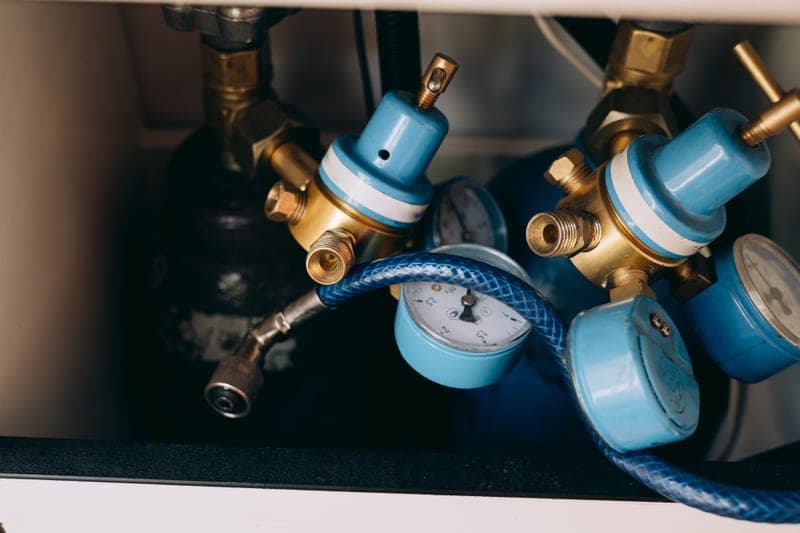
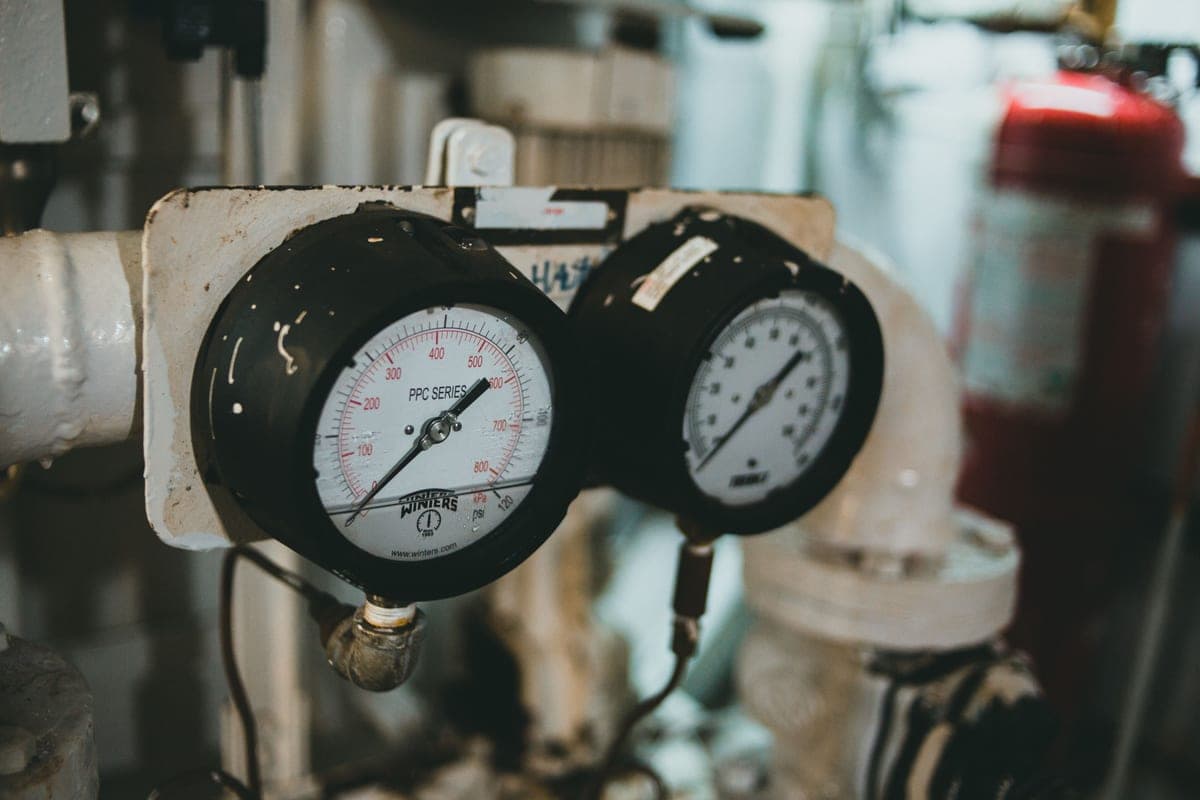
A pressure gauge on a compressor manifold being inspected

Some links on this page are affiliate links. If you buy through one, Magoo Media Group earns a commission from the retailer at no extra cost to you. It never changes which product we rank first - how this site is funded.

Not a cosmetic problem

Why this matters immediately

A compressor pump is rated to run a proportion of the time. Of the units we catalog, one publishes 70/30 and another publishes a 30 to 60 minute maximum continuous run. Most publish nothing, which means you do not know the limit - and a pump that never shuts off is certainly past it.

The consequences are heat, then thermal cutout, then shortened pump life. An oil-free pump has no oil bath to carry heat away from the cylinder, so it is the design least tolerant of continuous running and the most common one in home garages.

So the right response to a compressor that will not shut off is to switch it off and diagnose, rather than to finish the job and think about it later.

Diagnosis

Work through it in this order

  1. 01Check whether a tool is drawing air. If you are holding a blow gun open or running a ratchet, the pump may simply be unable to reach cut-out while you consume more than it produces. This is normal and not a fault - it means the tool outdraws the pump, which is a sizing question.
  2. 02Pressurize and switch off at the wall. Note the gauge reading. Come back in an hour. If pressure has dropped noticeably, you have a leak and that is the whole problem. A system that bleeds down keeps the pump chasing it.
  3. 03Find the leak with soapy water. Spray every joint, fitting, coupler and the tank drain with a soap solution and look for bubbles. In practice it is nearly always a fitting, a coupler, or a drain valve that has not been closed fully.
  4. 04Check the drain valve. It is the single most common cause, because people open it to drain the tank and do not close it firmly. Free, thirty seconds, and it fixes this more often than anything else on this list.
  5. 05Listen at the pressure switch and the check valve. A failed check valve lets tank air bleed back through the pump, which you can often hear as a continuous hiss at the pump head with the compressor off. A pressure switch that never trips is the other candidate, and both are inexpensive replaceable parts.
  6. 06Only then consider the pump. Worn rings or valves mean the pump cannot build to cut-out pressure. This is the least likely cause on a young compressor and the most likely on an old one that has been run hard.

The thirty-second check

Before anything else: is the tank drain valve fully closed? It is the most common single cause of a compressor that never shuts off, and the one people check last.

The parts

What fixes it, and what it costs

Quick picks

#ProductBest forScorePrice
1
A wall-mounted compressed air filter and regulator with a pressure gauge
PneumaticPlus SAW300 filter / regulator3/8" NPT / 53 SCFM / 10 micron53 SCFM, 10 micron, with a real gauge and a metal bowl. The single most useful small purchase in a garage air system.
One combined water trap and regulator at the wall5.3/10★★★☆☆
Check price on Amazon

#ad Disclosure - we do not publish prices we cannot verify

2
Brass air fittings, couplers and plugs arranged on a bench
Milton 1/4" NPT M-STYLE coupler and plug kit1/4" NPT / M-STYLE (Industrial / Milton) / 300 PSI300 PSI, 40 SCFM, and the pattern most American garages already use. Standardize on one and stop adapting.
Making every tool in the garage fit every hose4.8/10★★☆☆☆
Check price on Amazon

#ad Disclosure - we do not publish prices we cannot verify

3
A coiled hybrid polymer air hose lying flat on a garage floor
Flexzilla HFZ3850YW23/8" / 50 ft / 300 PSI at 70F300 PSI hybrid polymer that lies flat from -40F to 140F. The upgrade that makes a cheap compressor feel expensive.
The one hose to own in a cold or unheated garage8.0/10★★★★☆
Check price on Amazon

#ad Disclosure - we do not publish prices we cannot verify

Scores are computed from manufacturer-published specs by the rubric on our methodology page. Nothing here has been bench-tested, and we do not publish prices we cannot verify.

Pick 1 - PneumaticPlus SAW300-N03BG-MEP

5.3/10★★★☆☆

PneumaticPlus SAW300 filter / regulator

Best for: One combined water trap and regulator at the wall

Verdict

53 SCFM, 10 micron, with a real gauge and a metal bowl. The single most useful small purchase in a garage air system.

What it does well

  • 53 SCFM at 3/8-inch NPT - it will not restrict any compressor on this site
  • 10 micron element plus a regulator in one piggyback body, so one mount does both jobs
  • Metal bowl and a 0-150 PSI gauge, with bracket included

What it will not do

  • 10 micron catches water and rust, NOT oil aerosol - it is not enough on its own for paint
  • Max operating pressure is 150 PSI, so it cannot sit upstream of a 175 PSI tank outlet
How this 5.3 was calculated
MetricScoreWeightBasis
Pressure headroom7.140%250 PSI rating, on a 125-300 PSI scale
Flow capacity2.240%53 SCFM, on a 40-100 SCFM scale
Spec transparency8.020%6 published specification figures
A wall-mounted compressed air filter and regulator with a pressure gauge

Licensed stock photo - illustrative of the category, not a photo of this unit

Check price on Amazon

#ad Disclosure - we do not publish prices we cannot verify

Published specs

PneumaticPlus SAW300 filter / regulator published specifications
Port size3/8" NPT
Flow53 SCFM
Filtration10 micron
Max supply pressure250 PSI
Max operating pressure150 PSI
Gauge0-150 PSI, bracket included

Source: PneumaticPlus SAW300 filter/regulator - product specifications

Pick 2 - Milton M-STYLE (210 / 711)

4.8/10★★☆☆☆

Milton 1/4" NPT M-STYLE coupler and plug kit

Best for: Making every tool in the garage fit every hose

Verdict

300 PSI, 40 SCFM, and the pattern most American garages already use. Standardize on one and stop adapting.

What it does well

  • 40 SCFM flow at 300 PSI max - far more than any compressor here delivers
  • M-STYLE (Industrial / Milton) is the most common pattern in US home garages, so tools match
  • Kits give you spare plugs, which is the part you actually lose

What it will not do

  • Mixing M-STYLE with the visually similar ARO or Lincoln patterns is the classic garage mistake - pick one and throw the others out
  • On a 1/2" line, 40 SCFM couplers become the restriction; step up to a G-style then
How this 4.8 was calculated
MetricScoreWeightBasis
Pressure headroom10.040%300 PSI rating, on a 125-300 PSI scale
Flow capacity0.040%40 SCFM, on a 40-100 SCFM scale
Spec transparency4.020%4 published specification figures
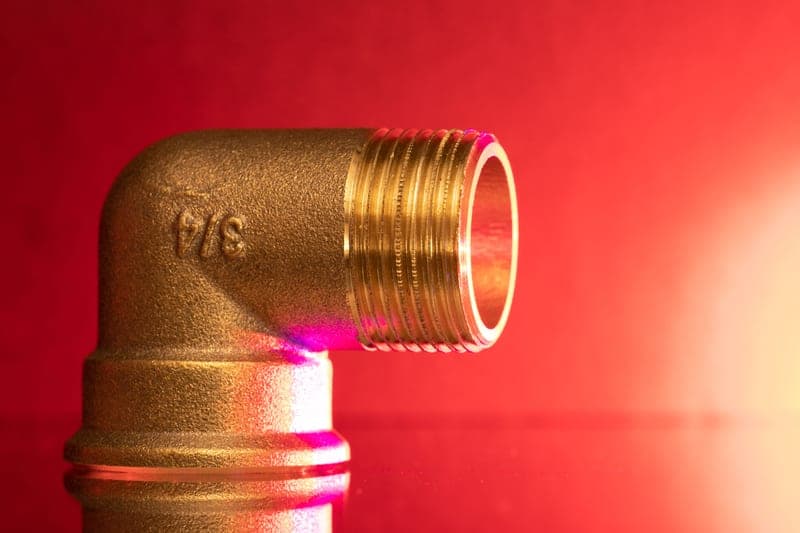
Brass air fittings, couplers and plugs arranged on a bench

Licensed stock photo - illustrative of the category, not a photo of this unit

Check price on Amazon

#ad Disclosure - we do not publish prices we cannot verify

Published specs

Milton 1/4" NPT M-STYLE coupler and plug kit published specifications
Thread1/4" NPT
PatternM-STYLE (Industrial / Milton)
Max pressure300 PSI
Air flow40 SCFM

Source: Milton Industries M-STYLE couplers and plugs - product specifications

Pick 3 - Flexzilla HFZ3850YW2

8.0/10★★★★☆

Flexzilla HFZ3850YW2

Best for: The one hose to own in a cold or unheated garage

Verdict

300 PSI hybrid polymer that lies flat from -40F to 140F. The upgrade that makes a cheap compressor feel expensive.

What it does well

  • 300 PSI maximum working pressure at 70F - higher than any compressor on this site produces
  • -40F to 140F flexibility: it still uncoils in an unheated garage in February
  • Zero-memory construction means it lies flat instead of fighting you, and 3/8" ID does not throttle an impact

What it will not do

  • Costs multiples of the PVC hose bundled in a compressor kit
  • The bright green is not subtle, which matters to precisely nobody using it
How this 8.0 was calculated
MetricScoreWeightBasis
Pressure headroom10.040%30070 PSI rating, on a 125-300 PSI scale
Flow capacity6.040%Flow not published for this class - scored a 6, which is what a correctly sized hose or fitting does not restrict
Spec transparency8.020%6 published specification figures
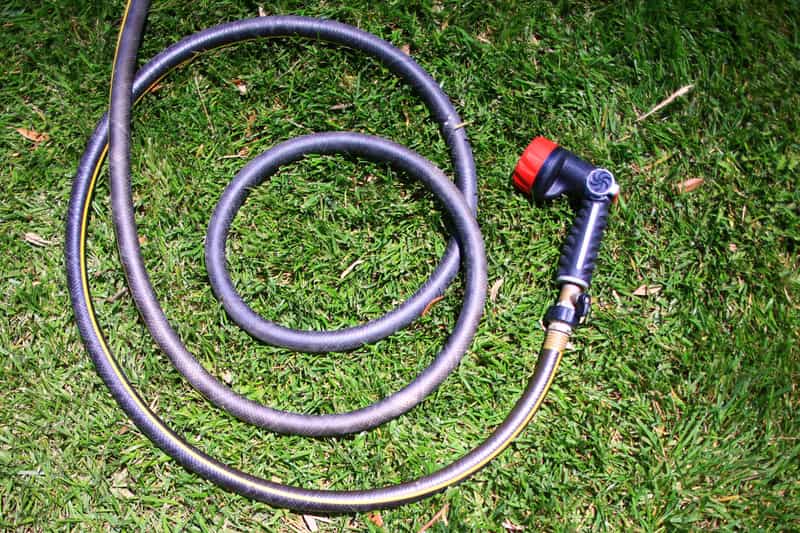
A coiled hybrid polymer air hose lying flat on a garage floor

Licensed stock photo - illustrative of the category, not a photo of this unit

Check price on Amazon

#ad Disclosure - we do not publish prices we cannot verify

Published specs

Flexzilla HFZ3850YW2 published specifications
Inside diameter3/8"
Length50 ft
Max working pressure300 PSI at 70F
Temperature range-40F to 140F
Fittings1/4" MNPT, anodized aluminum ends
MaterialHybrid polymer

Source: Flexzilla HFZ3850YW2 air hose - distributor specification listing

Worth fixing regardless

Leaks are also costing you performance

A system that leaks does not only run the pump more - it delivers less air to the tool, because some of what the pump makes is escaping upstream. If your impact wrench feels weaker than the specs suggest, a leaky coupler chain is on the list of suspects alongside hose diameter.

The usual culprits are adapters stacked in series. Every junction is a potential leak, which is why standardizing on one coupler pattern and removing adapters is both a flow improvement and a leak fix.

PTFE tape on every NPT thread, wrapped in the direction the fitting turns, and tightened firmly rather than heroically. NPT seals on the thread, so over-tightening cracks fittings without improving the seal.

FAQ

Questions people actually ask

Why does my air compressor keep running and not shut off?

In order of likelihood: the tank drain valve is not fully closed, there is a leak in the fittings or hose, the check valve has failed and tank air is bleeding back, the pressure switch is not tripping, or a tool is drawing more air than the pump produces.

How do I find an air leak in my compressor system?

Pressurize the tank, switch off at the wall, and spray every joint, fitting, coupler and the drain valve with soapy water. Bubbles show the leak. Also note the gauge and check it an hour later - a pressure drop confirms a leak before you start looking.

Is it bad if my compressor runs constantly?

Yes. Pump duty cycles are finite - one unit in our roster publishes 70/30 and another a 30 to 60 minute continuous limit - and a pump that never shuts off is past whatever its rating is. The result is heat, thermal cutout and shortened pump life.

Can a bad check valve make a compressor run constantly?

Yes. A failed check valve lets tank air bleed back through the pump head, so the tank never reaches cut-out pressure. You can often hear it as a continuous hiss at the pump with the compressor switched off, and the part is inexpensive.

Why does my compressor run but not build pressure?

Either air is escaping as fast as the pump makes it - a leak or an open drain - or the pump itself cannot build pressure due to worn rings or valves. Rule out the leak first; it is far more common and free to check.

Sources

Where these numbers come from

Accessed September 2026. If a figure on this page does not match the manufacturer's current sheet, tell us at contact@psiandhose.com and we will correct and date the change - see our editorial policy.

Read next