Skip to content
Psi & Hose

Compare

Polyurethane vs rubber air hose

This is the clearest trade in the hose category: the lightest material against the most durable one, with almost no overlap in who should buy which.

By Ryder M.Last updated Published
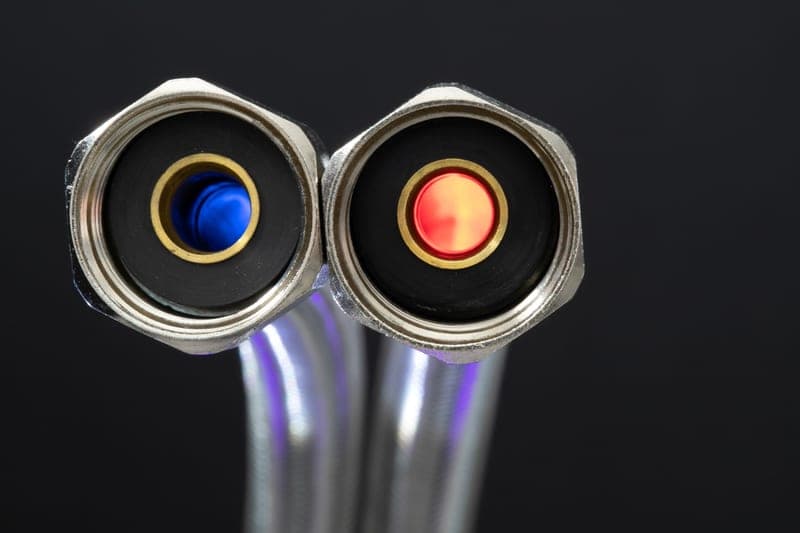
A blue polyurethane air hose beside a red rubber air hose

Some links on this page are affiliate links. If you buy through one, Magoo Media Group earns a commission from the retailer at no extra cost to you. It never changes which product we rank first - how this site is funded.

Short version

The difference in one paragraph

Polyurethane is the lightest air hose material in common use - Amflo publishes 3.5 pounds for 50 feet of 3/8-inch hose - with a non-marring cover and a 300 PSI working pressure. Rubber is several times heavier, publishes 250 PSI working with a 1,070 PSI burst rating, and shrugs off abrasion that would wear polyurethane.

The overlap between the two is unusually small. If weight or surface protection is your problem, polyurethane wins outright. If abrasion or longevity is your problem, rubber wins outright. Very few people are genuinely torn.

Head to head, published specifications
Polyurethane (Amflo 13-50AE)Rubber (Goodyear 12674)
Working pressure300 PSI250 PSI
Burst pressureNot published1,070 PSI
Weight per 50 ft3.5 lbNot published - several times heavier
Temperature range-30F to +150F-50F to 190F
ReinforcementNylon braidSpiral synthetic yarn
CoverNon-marring, resists weather, abrasion, oil, kinksClass C oil, weather and solvent resistant EPDM
End fittings3/8" MNPT brass swivel with bend restrictors1/4" MNPT machined brass
Inside diameter3/8"3/8"

The products

Both sides, on published specs

Quick picks

#ProductBest forScorePrice
1
A blue polyurethane air hose coiled on a clean workshop floor
Amflo 13-50AE polyurethane hose3/8" / 50 ft / 300 PSI3.5 pounds for 50 feet of 300 PSI hose, in a non-marring cover. The lightest way to move air.
Roofing, ladders, and anywhere the hose drags across finished surfaces8.4/10★★★★☆

#ad Disclosure - we do not publish prices we cannot verify

2
A red rubber air hose with brass fittings on a workbench
Goodyear 12674 rubber air hose3/8" / 50 ft / 250 PSI250 PSI working, 1,070 PSI burst, EPDM rubber and brass ends. The hose that outlives the compressor.
A permanent hose that stays on the reel and never gets dragged into the cold7.3/10★★★★☆

#ad Disclosure - we do not publish prices we cannot verify

3
A coiled hybrid polymer air hose lying flat on a garage floor
Flexzilla HFZ3850YW23/8" / 50 ft / 300 PSI at 70F300 PSI hybrid polymer that lies flat from -40F to 140F. The upgrade that makes a cheap compressor feel expensive.
The one hose to own in a cold or unheated garage8.0/10★★★★☆

#ad Disclosure - we do not publish prices we cannot verify

Scores are computed from manufacturer-published specs by the rubric on our methodology page. Nothing here has been bench-tested, and we do not publish prices we cannot verify.

Pick 1 - Amflo 13-50AE

8.4/10★★★★☆

Amflo 13-50AE polyurethane hose

Best for: Roofing, ladders, and anywhere the hose drags across finished surfaces

Verdict

3.5 pounds for 50 feet of 300 PSI hose, in a non-marring cover. The lightest way to move air.

What it does well

  • 3.5 lb for 50 ft - a fraction of the weight of rubber, which is the whole reason roofers use it
  • 300 PSI working pressure with a nylon braid reinforcement, and a -30F to +150F range
  • Non-marring cover that resists weathering, abrasion, oil and kinks, so it will not scuff finished trim

What it will not do

  • Polyurethane is less abrasion-tolerant than rubber when dragged over concrete and sharp edges
  • Lighter hose is easier to pull off a bench or out of position by accident
How this 8.4 was calculated
MetricScoreWeightBasis
Pressure headroom10.040%300 PSI rating, on a 125-300 PSI scale
Flow capacity6.040%Flow not published for this class - scored a 6, which is what a correctly sized hose or fitting does not restrict
Spec transparency10.020%7 published specification figures
A blue polyurethane air hose coiled on a clean workshop floor

Licensed stock photo - illustrative of the category, not a photo of this unit

#ad Disclosure - we do not publish prices we cannot verify

Published specs

Amflo 13-50AE polyurethane hose published specifications
Inside diameter3/8"
Length50 ft
Working pressure300 PSI
Weight3.5 lb
Temperature range-30F to +150F
Fittings3/8" MNPT brass swivel with bend restrictors
MaterialPolyurethane with nylon braid reinforcement

Source: Amflo 13-50AE polyurethane air hose - retailer specification listing

Pick 2 - Goodyear 12674

7.3/10★★★★☆

Goodyear 12674 rubber air hose

Best for: A permanent hose that stays on the reel and never gets dragged into the cold

Verdict

250 PSI working, 1,070 PSI burst, EPDM rubber and brass ends. The hose that outlives the compressor.

What it does well

  • 250 PSI working pressure with a 1,070 PSI burst rating - a 4:1 margin
  • -50F to 190F range and a Class C oil, weather and solvent resistant EPDM cover
  • Machined brass ends seal better and corrode less than aluminum or zinc

What it will not do

  • Rubber is heavy and it holds a coil memory - dragging 50 ft of it around is real work
  • Stiffer than hybrid polymer when the garage is cold
How this 7.3 was calculated
MetricScoreWeightBasis
Pressure headroom7.140%250 PSI rating, on a 125-300 PSI scale
Flow capacity6.040%Flow not published for this class - scored a 6, which is what a correctly sized hose or fitting does not restrict
Spec transparency10.020%7 published specification figures
A red rubber air hose with brass fittings on a workbench

Licensed stock photo - illustrative of the category, not a photo of this unit

#ad Disclosure - we do not publish prices we cannot verify

Published specs

Goodyear 12674 rubber air hose published specifications
Inside diameter3/8"
Length50 ft
Working pressure250 PSI
Burst pressure1,070 PSI
Temperature range-50F to 190F
Fittings1/4" MNPT machined brass
CoverClass C oil, weather and solvent resistant EPDM

Source: Goodyear 12674 red rubber air hose - distributor specification listing

Pick 3 - Flexzilla HFZ3850YW2

8.0/10★★★★☆

Flexzilla HFZ3850YW2

Best for: The one hose to own in a cold or unheated garage

Verdict

300 PSI hybrid polymer that lies flat from -40F to 140F. The upgrade that makes a cheap compressor feel expensive.

What it does well

  • 300 PSI maximum working pressure at 70F - higher than any compressor on this site produces
  • -40F to 140F flexibility: it still uncoils in an unheated garage in February
  • Zero-memory construction means it lies flat instead of fighting you, and 3/8" ID does not throttle an impact

What it will not do

  • Costs multiples of the PVC hose bundled in a compressor kit
  • The bright green is not subtle, which matters to precisely nobody using it
How this 8.0 was calculated
MetricScoreWeightBasis
Pressure headroom10.040%30070 PSI rating, on a 125-300 PSI scale
Flow capacity6.040%Flow not published for this class - scored a 6, which is what a correctly sized hose or fitting does not restrict
Spec transparency8.020%6 published specification figures
A coiled hybrid polymer air hose lying flat on a garage floor

Licensed stock photo - illustrative of the category, not a photo of this unit

#ad Disclosure - we do not publish prices we cannot verify

Published specs

Flexzilla HFZ3850YW2 published specifications
Inside diameter3/8"
Length50 ft
Max working pressure300 PSI at 70F
Temperature range-40F to 140F
Fittings1/4" MNPT, anodized aluminum ends
MaterialHybrid polymer

Source: Flexzilla HFZ3850YW2 air hose - distributor specification listing

Weight and surfaces

Where polyurethane wins

Weight, decisively. 3.5 pounds for 50 feet is a fraction of rubber, and Amflo states the application directly: the light weight makes it ideal where dragging a heavy hose is an issue, like roofing. Anyone working on a ladder, a roof or up stairs feels this on every move.

Non-marring. The cover will not scuff finished surfaces, which matters for interior trim work and around freshly prepared panels. Rubber leaves marks on paint and light-colored flooring that are a nuisance to remove.

The swivel ends. Amflo fits 3/8-inch MNPT brass swivel fittings with bend restrictors - swivels reduce the hose twisting as you move around a tool, which is a genuine handling advantage rather than a spec-sheet one.

Abrasion and life

Where rubber wins

Abrasion resistance. Polyurethane's cover resists abrasion; rubber's is in a different class. Dragged daily across concrete with metal debris on it, rubber is the one that survives, which is why shops run it and roofers do not.

The verifiable safety margin. 250 PSI working against 1,070 PSI burst is better than 4:1 and it is published. Polyurethane publishes a higher working pressure at 300 PSI but no burst figure, so there is less you can actually check.

Temperature span. -50F to 190F against -30F to +150F. Both ends matter: rubber stays workable colder and tolerates more heat if the hose sits near an engine or a heater.

Our answer

The verdict

Buy polyurethane if the hose is carried. Roofing, trim work, ladders, anywhere the weight is on you rather than on the floor, and anywhere the hose touches finished surfaces. The 3.5-pound figure is the entire reason the material exists in this category and it is worth buying for.

Buy rubber if the hose is dragged. Shop floors, driveways, anywhere with grit and solvent and vehicles. The burst rating and the EPDM cover are what turn a hose into a decade-long purchase.

And if neither description fits - a normal home garage where the hose comes off a hook, does some tire work and goes back - buy neither and buy hybrid polymer instead. It sits between the two on weight and durability, publishes 300 PSI with -40F flexibility and zero memory, and is the better all-rounder. That is what our main hose roundup recommends.

FAQ

Questions people actually ask

Is polyurethane air hose better than rubber?

For weight and surface protection, decisively - 3.5 lb per 50 ft and a non-marring cover. For abrasion resistance and longevity, no. Polyurethane is the roofing and trim answer; rubber is the shop floor answer.

How much does a polyurethane air hose weigh?

Amflo publishes 3.5 pounds for 50 feet of its 3/8-inch hose. That is the specification that makes the material worth buying and the reason it is standard on roofing crews.

Does polyurethane hose kink?

Its cover is published as kink resistant and it is fitted with bend restrictors at the ends, which is where kinking usually starts. It is not as resistant to coil memory as a hybrid polymer hose.

Which hose is best for cold weather?

Rubber has the widest published range at -50F to 190F, against -30F to +150F for polyurethane. If cold is your main problem, rubber or a -40F hybrid polymer hose are the better answers.

What about hybrid polymer?

For most home garages it is the better all-rounder than either - 300 PSI, -40F flexibility and zero memory, sitting between polyurethane and rubber on both weight and durability. Polyurethane and rubber each win a specific job rather than the general case.

Sources

Where these numbers come from

Accessed September 2026. If a figure on this page does not match the manufacturer's current sheet, tell us at contact@psiandhose.com and we will correct and date the change - see our editorial policy.

Read next